


Running an Airbnb takes more than listing a property and waiting for bookings to roll in. There’s a steady stream of operational work behind the scenes, from coordinating cleanings to handling last-minute issues.
Airbnb co-hosting offers a way to share that responsibility. By bringing in a trusted partner, hosts can split operational tasks and alleviate the pressure. Co-hosts get an opportunity to earn and build on their vacation rental management experience.
Our guide explains how Airbnb co-hosting works and how to decide whether it’s the right setup for you. We also walk you through what it takes to build an effective co-hosting arrangement that works long-term.
What is Airbnb co-hosting?
Airbnb co-hosting is a formal arrangement where one or more people assist the primary host with managing a listing. The primary host remains the listing owner, while co-hosts take on agreed responsibilities to keep the business running smoothly.
Responsibilities can vary widely. Some Airbnb co-hosts focus on guest messaging and bookings, while others handle cleaning coordination, maintenance issues, pricing updates, and emergency responses. Co-hosts may be trusted friends or family members, local contacts, or professional property managers offering hosting as a paid service.
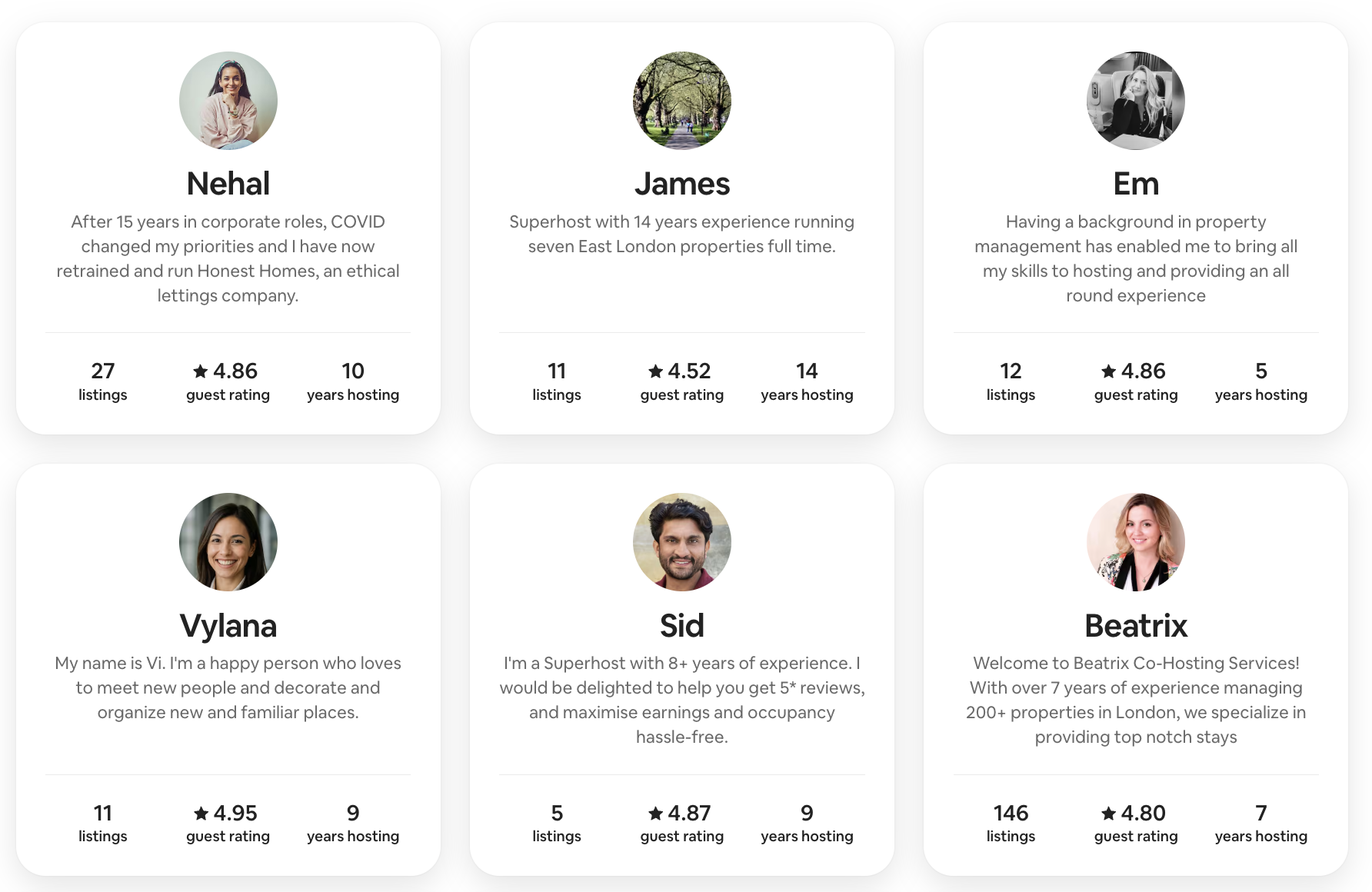
Caption: Airbnb has hundreds of co-hosts across select countries to assist with vacation rental management. Source
What are the different types of Airbnb co-hosts?
Airbnb gives you a choice of three different levels of permissions for co-hosts. Each permission type determines what a co-host can see, manage, and control within a listing.
Full access
A full-access co-host can manage nearly every aspect of a listing, including:
- booking requests
- guest communication
- calendar and pricing updates
- cleaning and maintenance coordination
Essentially, they can manage every aspect of the Airbnb account except for payments. This makes them a good fit for someone looking to share a lot of the responsibility of managing a short-term rental business, especially owners who live far away or prefer a hands-off role.
Messaging and calendar access
This permission level allows co-hosts to communicate with guests. They can refer to the booking calendar, but they can’t change or cancel any reservations.
Messaging and calendar access works best for support roles at your business. It allows staff to handle guest questions and check-in without giving them too much responsibility.
Calendar access only
Calendar access gives co-hosts the ability to view upcoming bookings. However, it’s very limited as they can’t edit bookings or message guests directly. As such, it’s often used for long-term cleaners, maintenance, and other providers so they have better visibility over the schedule.
Benefits and trade-offs of co-hosting on Airbnb
Co-hosting can be highly effective, but it comes with drawbacks that Airbnb hosts need to be aware of:
| Perspective | Benefits | Trade-offs |
| Property owners |
|
|
| Co-hosts |
|
|
Is Airbnb co-hosting right for you?
Before committing, it’s worth assessing whether co-hosting fits your needs and preferences. While it brings opportunities for growth, it may not suit your specific business plans.
For Airbnb account holders
Co-hosting tends to work best if:
- You’re struggling to manage multiple properties
- You live far away and can’t respond quickly to issues or last-minute bookings
- Your margins can absorb co-host fees
- Your other commitments interfere with peak seasons
- You lack expertise in running a short-term rental
For aspiring co-hosts
Co-hosting is a good fit if:
- You want to build a vacation rental portfolio
- You lack the capital needed to purchase property
- You have the capacity to respond to guest messages and issues
- You understand the Airbnb platform and rules
- You’re based in a popular tourist area
Requirements for becoming an Airbnb co-host
Anyone can become an Airbnb co-host provided they’re at least 18 years old. All you need to do is get a host to send you an invitation and set permissions for their account.
Airbnb also provides a Co-Host Network where hosts can find reliable and experienced partners. To qualify, you must’ve met the following criteria over the past 12 months:
- An active listing as a host or full-access co-host
- Verified identity
- A high-resolution profile photo
- At least ten stays
- An average of a 4.8 rating or more across all accounts you manage
- A cancellation rate of less than 3%
Once you’ve met these conditions, Airbnb hosts can see you when they browse the network.
Likewise, Airbnb temporarily hides your profile if your rating falls below 4.7. You lose complete access if your average is below 4.6 for a 12-month period.
How to develop an effective Airbnb co-host arrangement
A strong co-hosting arrangement doesn’t happen by accident. It’s built through deliberate decisions about who you work with, how responsibilities are shared, and how the partnership operates day to day.
Find the right Airbnb co-host
Airbnb hosts should prioritize finding the best co-host for their company. Before granting access or signing any documents, it’s worth discussing how candidates have handled similar listings and how they approach common hosting challenges to ensure they’re a good fit.
The top consideration should be someone who suits the business setup. The success of a co-hosting arrangement depends heavily on choosing the right person from the start. This isn’t just about availability or proximity to the property, but about finding people whose experience, working style, and expectations align.
While the search process involves some hard work, it pays off. A co-host who understands how a business works will require far less oversight once the arrangement is in place.
Define roles and responsibilities clearly
Outline exactly who is responsible for each part of the hosting process, including:
- listing management
- guest communication
- pricing and availability updates
- cleaning coordination
- maintenance issues
- emergency responses
When roles remain vague, tasks slip through the cracks or get duplicated. This creates more work for the primary host to do and can affect the guest experience.
A centralized messaging system can reduce confusion. Use a unified inbox like Hostfully’s to communicate with guests on Airbnb and other channels, and gain better visibility over conversations. Where one person leaves off, another can easily continue, so there’s no risk of missing messages or replying twice by mistake.
Choose a compensation model
Decide how to pay the Airbnb co-host based on the options available:
- Cleaning fee
- Cleaning fee plus percentage
- Percentage payouts
- Fixed amount payouts
There’s no single “correct” model. Small Airbnb businesses may pay a percentage to ensure co-host payments align with revenue and avoid cutting too deeply into profits. On the other hand, a growing company may prefer to pay a fixed sum to keep co-host payments predictable and easier to manage.
The same principle applies to the payment amount. For example, a co-host who’s heavily involved in daily operations justifies a higher percentage or fixed sum than one who occasionally answers messages.
Set communication expectations
Clear communication keeps small issues from turning into bigger ones. Early on, clarify all of the following:
- When you’re both available
- How often you should check in
- What channels you’ll use
- What counts as urgent
- What to do if the primary host is unavailable
The best arrangement depends on your setup. Airbnb partnerships handling multiple properties might need daily updates, while those handling a single property might prefer weekly or even fortnightly summaries.
Consistency matters more than frequency. Regular check-ins help you stay aligned on pricing, guest communication, and turnover. They also ensure you stay on the same page about how to handle complaints, urgent repairs, and other time-sensitive issues.
Document the arrangement in writing
Draft an agreement that protects both parties, even if the relationship starts informally. At a minimum, it should outline:
- Roles and responsibilities
- Duration (even if open-ended)
- Compensation
- Decision-making authority
- Dispute resolution processes
- Termination terms
Agreements don’t need to be overly complex to be effective. The goal is to clarify expectations for both sides. This makes day-to-day Airbnb management smoother and gives you a predictable process to follow should issues arise or the unexpected happen.
Use tools to manage access, tasks, and reporting
Shared tools are essential when multiple people manage a listing, especially if someone’s remote. Centralized calendars, task lists, and messaging systems help everyone stay up to date and reduce reliance on memory.
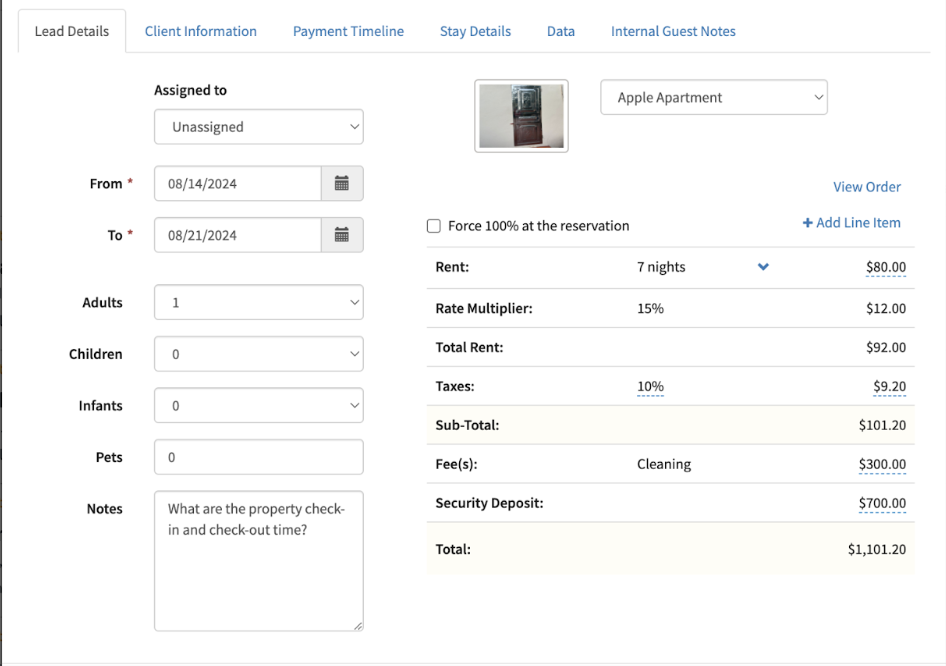
Airbnb provides some collaboration tools, but they’re basic and limited to the platform. Use a Property Management System (PMS) like Hostfully to give everyone full visibility and control. Our software allows you to consolidate calendars and messaging, create owner reports, and set granular permissions.
Caption: Get fine control over which team members can access and manage Airbnb properties with Hostfully PMS.
Review and adjust the arrangement over time
Co-hosting needs change over time. Airbnb businesses may need co-hosts to take on more responsibilities as bookings increase or take a step back as they automate more operations. For example, operators may choose to rely more on a PMS like Hostfully for guest messaging than on outside help.
Regular reviews give both sides a chance to assess what’s working and what needs to improve. You should aim for quarterly check-ins as business needs are likely to change with seasonal highs and lows, and tourism trends.
These check-ins don’t need to be formal, but they should be structured. Revisiting roles, compensation, and expectations helps keep the partnership aligned as the business changes. They also ensure the arrangement remains sustainable, continuing to support both the host’s goals and the co-host’s workload.
Make Airbnb co-hosting easier to manage with Hostfully
Airbnb co-hosting is an effective way to share the responsibilities of managing an Airbnb business. Once you’ve decided that it makes sense for your situation, the next step is putting systems in place that reduce friction and keep everyone aligned.
Hostfully can support these systems by giving you a centralized platform to manage listings collaboratively.
With Hostfully, you can:
- Grant different levels of access to owners, co-hosts, and team members
- Consolidate guest communication in a single inbox
- Keep calendars, availability, and pricing in sync
- Coordinate cleaning, maintenance, and turnover tasks
- Share performance insights and reporting transparently
Ultimately, Hostfully makes co-hosting less about constant coordination and more about building a reliable, professional partnership.

FAQs about co-hosting on Airbnb
How much do Airbnb co-hosts typically charge?
The amount Airbnb co-hosts charge depends on the service they offer. For example, full-service co-hosts who manage guest communication, pricing, and operations typically charge more than those providing limited support. While Airbnb doesn’t publish rates, online discussion indicates the average range is between 10% to 30%.
How do Airbnb co-hosts get paid?
Airbnb hosts set up automatic payouts to co-hosts through the platform. These may be a fixed sum per booking or a percentage of the total earnings.
Who is legally responsible when issues arise?
The primary Airbnb host remains legally responsible for the listing when legal issues arise. Co-hosts can only act on the host’s behalf, which is why clear agreements and defined authority are essential.
What happens if a co-hosting arrangement doesn’t work out?
Airbnb allows both hosts and co-hosts to end the arrangement via the platform without advanced warning unless a separate legal agreement applies. However, written terms around notice periods, access removal, and handover responsibilities help prevent disruption if the partnership ends.


