

Whether you’re moving from traditional rentals or starting a new business from scratch, you need a mid-term rental agreement. Guests usually have specific needs, and your contract must reflect this.
Plus, vague or incomplete terms can expose you to significant risks. Hosts may find they’re not meeting local legal requirements, unable to enforce rules, or constantly having to capitulate to unreasonable guests.
Our guide walks you through everything you should include in a mid-term rental lease agreement, so you can protect your business. We not only look at what to include in your contract but also how to write and share it with guests.
What is a mid-term rental and how does it differ from other rental models?
A mid-term rental is usually a furnished property rented for one to six months. These stays often suit travelling professionals, remote workers, or people between homes, so tenants expect a place that feels settled and ready to live in, not a short stopover.
What really sets mid-term rentals apart is how they’re treated legally. Many regions set strict limits on how long you can take guests for before you’re subject to landlord-tenant laws.
Founder of Attache Corporate Housing, Tim Touchette, says these laws can have a significant effect on how you run your business. “In Washington DC, once a stay is longer than 30-days, the guest becomes a tenant and tenant rights are now part of the rental term,” he says, “This impacts everything from the amount of rent you charge to how much you list for a security deposit and how much taxes to collect.”
That’s a big part of the reason why mid-term rentals need their own lease agreement. A short-term contract often doesn’t go far enough, whereas a long-term one may be too restrictive. Creating a dedicated mid-term rental agreement allows you to match your contract to your actual business needs.
Benefits of a dedicated mid-term rental agreement
Writing a mid-term rental agreement for your business rather than relying on a generic template gives you the following advantages:
- Clearer legal protection: Well-written agreements make it easier to enforce rules about payment, guest conduct, and damages. It gives you something solid to fall back on if problems come up.
- Fewer misunderstandings: When you clearly document your policies, there’s less room for confusion. Guests know exactly what they’ve signed up so they won’t argue or leave feeling dissatisfied.
- Greater transparency: Mid-term rentals often trigger additional tenant rights. A comprehensive lease agreement informs everyone of your legal obligations as the host, helping them build trust with you.
- A more professional setup: Providing a clear, tailored agreement signals that you take your business seriously, which can help attract more reliable tenants.
- Built-in flexibility: Clear terms for extensions, early exits, and notice periods make it easier to adapt when plans change, without renegotiating everything mid-stay.
Although rental agreements mean extra work, insist on using them. Touchette reminds us that clear terms benefit everyone: “Having a rental agreement for monthly terms protects the landlord, the property manager (if applicable) and the guest.”
Legal requirements to consider when drafting a mid-term rental agreement
Different legal rules may apply to mid-term rental properties compared to other models. Which ones matter depends on your location, but it’s common for additional regulations to kick in after a certain length of stay.
When drafting your agreement, check whether any of the following apply to your property and write them into your agreement if so:
- Landlord–tenant laws: These often decide deposits, notice periods, and living standards when stays exceed a set number of days.
- Fair housing regulations: Depending on the region, anti-discrimination and tenant-protection rules may apply more strictly to mid-term rentals than to short stays.
- Local zoning rules: Some cities limit or regulate mid-term rentals differently from short-term or long-term housing. The good news is that they’re generally permissive.
- HOA rules: Even if local law allows mid-term rentals, your HOA or private building rules may affect how you can run your business.
- Tax obligations: Lodging taxes, occupancy taxes, or exemptions may apply if you consistently host guests for a certain length of time.
- Registration or licensing requirements: Many areas require permits or registration to rent out your property for extended periods.
Essential lease terms for a mid-term rental agreement
Every mid-term rental business is a little different, so your lease should reflect how you operate. That said, most agreements need a core set of terms to avoid confusion, protect your interests, and make expectations clear from the start.
Here’s what you should always include:
Parties involved
Clearly identify who is involved in the agreement, which may include:
- The property owner
- The property manager
- The client (if working with businesses)
- The tenants
If there is more than one tenant, include all names on the lease. This makes things easier if someone wants to leave early or extend their stay.
Contact information
List the current contact details for both parties, namely phone numbers, emails, and addresses. As the host, you may be required to provide this by law.
Getting email addresses is also essential for your communication strategy. You use these details to confirm details of the stay, send updates, and check-in with guests while they’re there. In the case of a dispute, you can also keep emails as a written record to see what was agreed upon and reach a resolution faster.
Property details
Give all the information about the property being rented, including:
- The property address
- Unit or apartment number
- Number of sleeping areas
- Number of rooms
- Square footage
- Amenities
If certain areas are off limits, such as storage spaces or garages, note this clearly. Tenants need to understand where they can and cannot go.
Inventory list
Include a detailed inventory of all the furnishings, appliances, and equipment you provide. This tells guests what’s included at the start of the contract and makes it easier to check whether everything’s there at the end. Just be sure to update the list if you need to replace items or add to the inventory during the stay.
Services included
Specify which services are included in the rent payments, such as:
- Utilities
- Internet
- Cleaning and gardening
- Transport
- Gym memberships
- Airport pickups
Mid-term rental hosts usually bundle the utilities and internet into the monthly fees. But whatever you decide to do, make sure you state this clearly in the contract to avoid inconveniencing guests.
Lease dates
Clarify all of the following:
- Move-in and move-out dates
- Check-in and check-out times
- Whether it’s a flexible or fixed-term lease
- The notice period for extensions
- How long can guests extend by
Touchette says the extension clause is the single most important thing to include in a contract. He tells us: “It’s made a huge difference with our clients who need the flexibility to extend their stay (with proper notice) so they won’t have to commit for longer than necessary and they won’t have to fear moving to another place right after signing our lease.”
Early termination clauses
Say whether tenants can choose to end the lease early. If that’s an option, also clarify how much notice you need and what payments will still apply.
While including an early termination clause makes rental management less predictable, it may help you attract more guests. Business travellers, in particular, are often looking for this kind of flexibility.
Check-in instructions
Spell out what needs to happen on arrival so the tenant can settle in smoothly. Include practical steps like:
- When and how they’ll get access
- Where to park
- How to locate keys
- What to do first
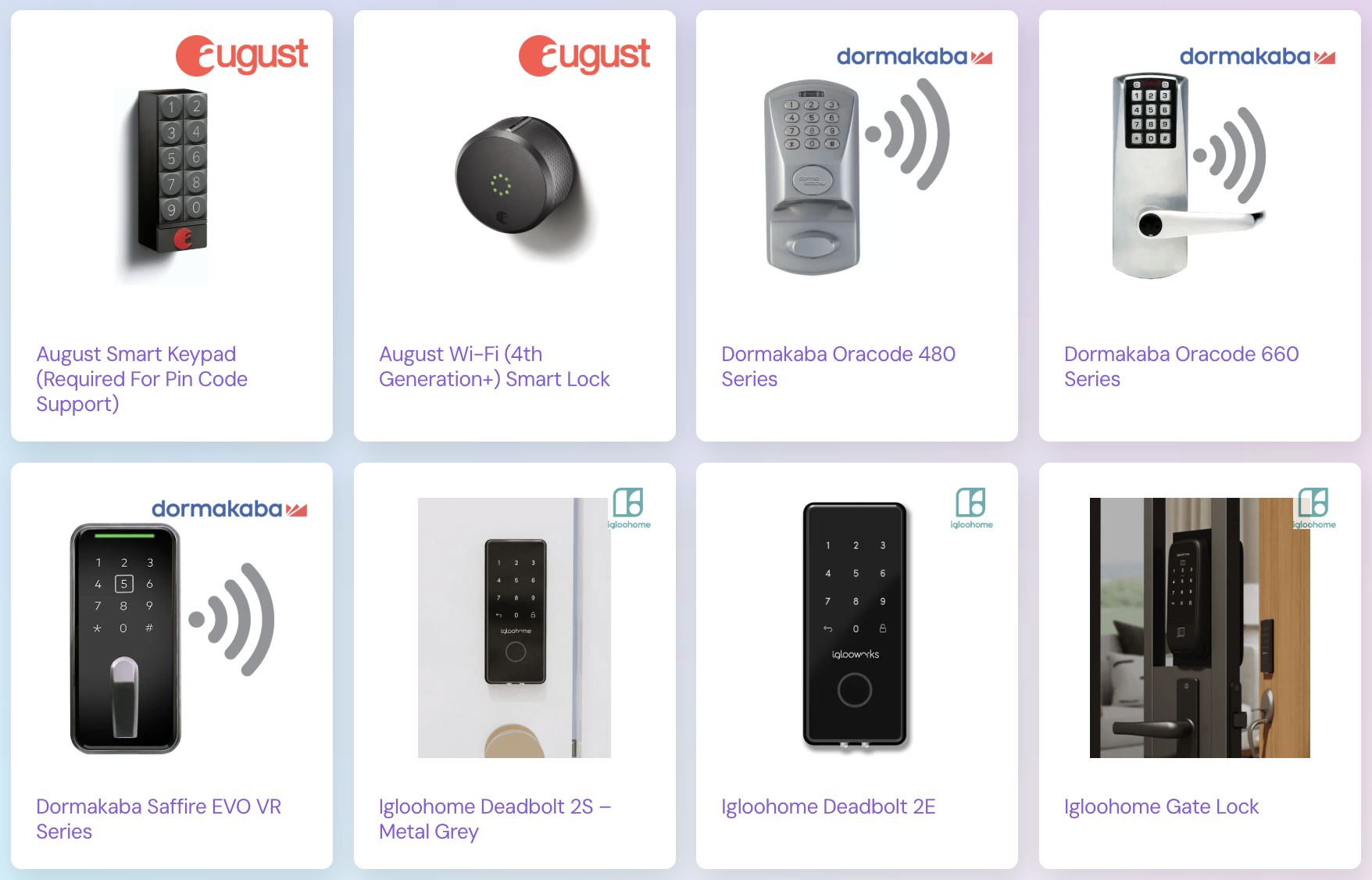
Smart locks can give tenants less to do and make this part of the process smoother. When you integrate them with a Property Management System (PMS) like Hostfully, you can also generate and send a unique code.
Check-out instructions
Similarly, list the steps for a straightforward departure. You should cover:
- Where to put linens and dishes
- Trash disposal
- How to return keys or handle access codes
- What “reasonable condition” means for the end-of-stay
Add the inspection process and timeline so tenants know what happens next and when to expect their deposit back (if you asked them for one).
Payment terms
Besides the rent amount, state the due dates, accepted payment methods, and late fee policies. This makes sure guests know when and how to pay, so you don’t have to chase them.
If a business is responsible for paying, clear payment terms also save tenants from getting stuck in the middle of an awkward situation. They may not be at fault for non-payment, but their experience is still likely to be affected by disputes.
Additional fees
List any charges you don’t include in your nightly or monthly rate so they don’t come as a surprise to guests. That might include fixed fees for cleaning and parking or variable rates for exceeding limits on the utilities.
Additionally, mention whether a stated amount is the total or the month-to-month amount. Typical expenses differ across regions, so what seems obvious to you might not be to tenants.
Before sending the contract to tenants, check this against your “services included” section to make sure your agreement is consistent.
Security deposits
State whether you need a damage deposit and everything this entails. You generally need to state the amount, how you hold it, and the conditions for sending it back.
Additionally, say what condition you expect to find the property in. Bear in mind that most national and state laws prohibit you from charging tenants for wear and tear. You can only withhold the deposit for damages and missing items.
Damage deposits are likely to fall under local regulations. Make sure your terms align with requirements or you may be unable to take action against tenants who damage your property. Even worse, you may face legal action yourself.
House rules
Set clear expectations around how tenants should treat the property and the surrounding area. You can include rules about:
- Noise
- Littering
- Extra guests
- Pets
- Smoking
Also, clarify what happens when tenants break these rules. That might be a series of steps starting with a verbal warning or written notice and ending with eviction.
Tips on managing mid-term rental lease agreements
Deciding what to include in your mid-term rental contract is only the beginning. You must also decide how to incorporate the entire agreement into your business operations.
Here are some tips on managing contracts:
- Create a reusable template: Build a standard lease you can reuse for every booking, with placeholders for dates, names, pricing, and property details. This keeps your documents consistent but lets you make quick tweaks for different tenants.
- Keep language plain and accessible: Avoid overly complex legal language where possible. Plain wording makes your agreement easier for guests to understand so they’re less likely to get confused and unwittingly break the rules.
- Collect signatures electronically: Use e-signature tools to speed up the process. PMS like Hostfully enable you to send contracts as part of messages and ask guests to sign online.
- Consult with a real estate attorney: Have a lawyer review your template. Regulations vary by location, and a professional review can make sure your lease meets all the requirements.
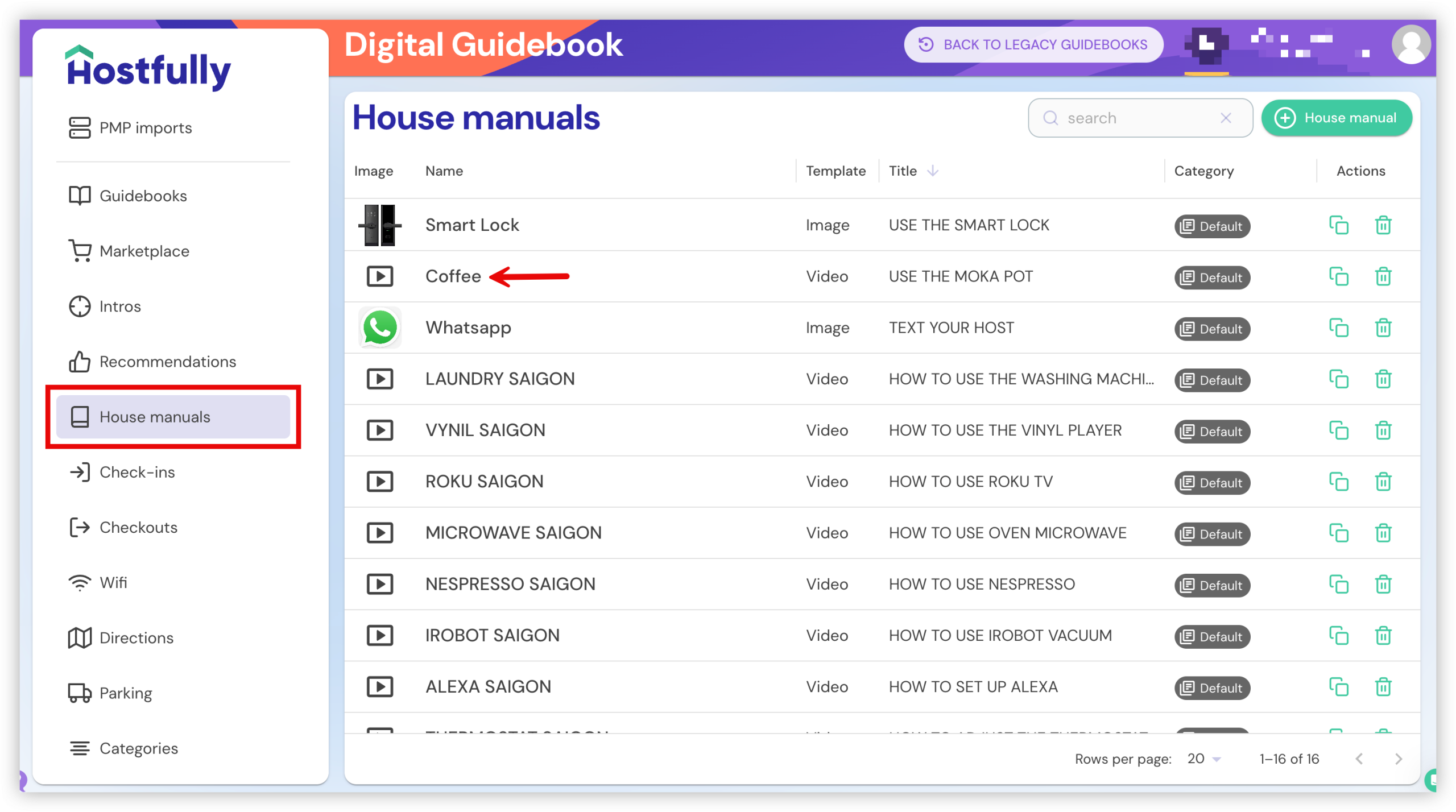
- Combine contracts with a digital guidebook: Create a digital guidebook using Hostfully to give tenants more details about your property. Your guidebook can clarify house rules, give instructions on how to use amenities properly, and explain what to do when different issues arise.
Bring structure and consistency to mid-term rentals with Hostfully PMS
A mid-term rental agreement protects your business while setting expectations for tenants from day one. But even the most well-written contract means nothing without the right systems to support it.
This is where Hostfully comes in, helping you turn your lease into part of a more professional and organized rental experience. Our key features for mid-term rentals include:
- Secure document sharing for leases and house rules
- Digital guidebooks for clear tenant instructions
- Centralized guest communication
- Automated messaging and workflows
- Easy access to property information
With a solid lease agreement and Hostfully’s help, you can minimize disputes, stay organized, and manage mid-term rentals with more confidence.

FAQs about mid-term rental lease agreements
Do I need a lawyer to create a mid-term rental lease agreement?
No, you don’t need a lawyer to draft the lease, but it’s best to have an expert review it anyway. Mid-term rentals often fall under landlord-tenant law, and a proper check helps ensure your terms are valid and enforceable.
What’s the difference between a 30-day MTR and a 90-day MTR lease?
The key difference is between 30-day and 90-day leases is how strongly tenancy and tenant rights apply during the rental period. Both lengths can trigger new obligations depending on your location.
What security deposit should I charge for a mid-term rental?
Many hosts charge a month’s rent for mid-term rentals. However, the best amount depends on your business model, local requirements, and your relationship with the client.