
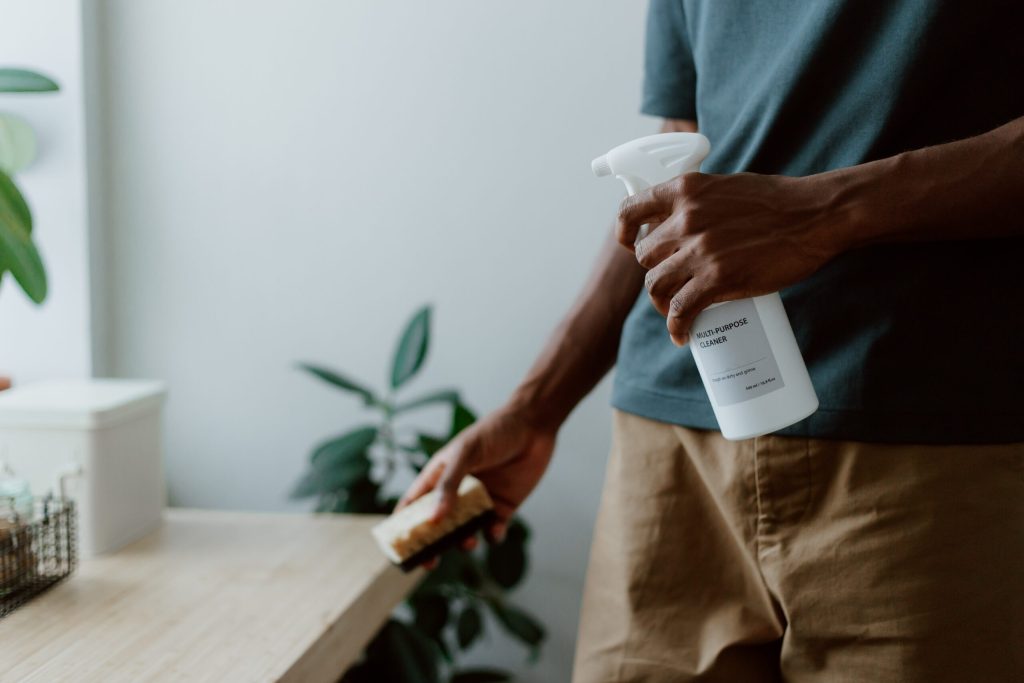
As the COVID pandemic taught us, safety and sanitation should be top priorities for short-term rental businesses. As a property manager, it’s your responsibility to ensure that your guests find your property spic and span, with sparking countertops, functioning lightbulbs, and toilet paper folded in a perfect V flap to greet them.
But the guests aren’t the only ones who deserve safety measures. Short-term property managers should equip their cleaning team with the requisite knowledge and tools to maintain a safe and healthy working environment. After all, vacation rental cleaning comes with its own unique set of hazards and risks. This guide will walk you through:
- Common cleaning services safety risks
- Hazards unique to vacation rental cleaners
- Ways property managers can implement and foster safety protocols and training
- How safe cleaning teams beget better guest experiences and benefit vacation rental businesses
Common cleaning service risks and hazards
By maintaining the cleanliness and hygiene of Airbnbs, Vrbos, and other vacation rentals, cleaners play a crucial role in shaping the guest experience. From disinfecting high-touch services like light switches and doorknobs to deep cleaning ceiling fans and sanitizing linens, they’re responsible for ensuring that the property is in top condition for guests. When a vacation rental is clean and well-maintained, guests are more likely to have a positive stay, leave positive reviews, and contribute to the overall reputation of a property.
But unlike cleaning staff in hotels and other commercial settings, cleaning services catering to short-term vacation rentals often work alone and unsupervised for extended periods of time inside private properties. This isolated nature of the work increases the potential for accidents, injuries, assaults, and other safety issues. Before implementing safety protocols, it’s essential to identify potential hazards that cleaners may encounter in vacation rentals.
Chemicals from cleaning products
One of the main risks that any cleaning service faces is exposure to harmful chemicals. Many cleaning products contain strong chemicals that can cause skin irritation, respiratory problems, and even long-term health issues.
It is essential for cleaners to be aware of the potential dangers associated with these chemicals and to use them safely and appropriately under EPA regulations and CDC’s guidelines (including disinfecting and ventilation). Providing cleaners with appropriate personal protective equipment (PPE) and ensuring proper ventilation in the rental property can help minimize these risks.
Alternatively, you can also factor in any safer cleaning products. Some guests (young families for example) may be willing to pay a slightly higher cleaning fee costs for the peace of mind that comes with more gentle products.
Repetitive tasks and musculoskeletal injuries
Vacation rental housekeeping professionals often experience musculoskeletal injuries as a result of repetitive tasks, such as vacuuming or scrubbing, or from lifting heavy objects like furniture or equipment. Implementing proper training and ergonomics and providing tools like trolleys or lifting aids can significantly reduce the likelihood of these injuries.
Slips, falls, cuts, and other accidents
In addition to chemical hazards, short-term rental cleaners also face physical risks while performing their duties. They may need to climb tall ladders, move cumbersome furniture, or operate heavy cleaning equipment. Contact with sharp objects or broken glass is yet another concern. Cleaners may come across broken glassware or encounter sharp objects hidden in unexpected places.
It’s incumbent upon property managers to emphasize the importance of wearing personal protective equipment like professional cleaning gloves, ensure access to appropriate tools and proper safety training, and establish a clear cleaning protocol for handling and disposing of dangerous or sharp objects.
Unique vacation rental risks
Vacation rentals may present additional unique risks that property managers and cleaners need to be aware of. Let’s explore a few.
Vacation rental pests
Vacation rentals, especially those located in natural or rural areas, may be more prone to pests like insects or rodents (think ticks, mice, snakes!). Any cleaning service should be trained on how to identify signs of pest infestations and the appropriate steps to take to address them, including contacting their property management employer as well as pest control professionals.
Mold and asbestos
Exposure to allergens, mold, or asbestos is another unique risk in vacation rental properties. Some guests may have allergies or sensitivities to certain substances, and if not properly disinfected, these can cause discomfort or even serious health issues.
It’s worth noting that older properties in particular may have hidden mold or asbestos, which can be hazardous if disturbed during the cleaning process. Again, protective gear, proper ventilation, and clear cleaning guidelines are key.
Personal and hazardous guest items
Cleaners may come across personal belongings such as medications, sharp objects, or even hazardous substances. Property management companies should communicate with any cleaning companies how to handle and store these items safely, ensuring the privacy and security of the guests while also protecting the cleaning team from potential harm.
Cleaners may encounter hazardous or illegal substances in vacation rental properties. While this is a rare occurrence, it is essential to be prepared for such situations. Cleaning teams should be trained on how to recognize and handle hazardous substances and understand proper protocol for reporting any findings, especially before any new guest check-ins.
How vacation rental property managers can create a safe culture
Regular training, clear communication, and ongoing evaluation of safety measures are key to maintaining a high standard of cleanliness and safety in vacation rentals. In addition to providing a thoughtful vacation rental cleaning checklist, consider the following ways to ensure your cleaners are as safe as your guests.
Cleaning supplies storage
Effective products like disinfectants can come with extra care when used. So start by developing guidelines on handling and storing chemicals. Proper labeling, storage in designated areas, and training on handling hazardous substances are essential to prevent accidental spills or exposure.
Encourage your cleaners to read and understand the safety data sheets (SDS) for each chemical they use. And make sure products are stored safely before guests arrive. (After all, the last thing you want is a young child grabbing an open bottle of bleach left on the bathroom countertop!)
Cleaning equipment access
Property management companies should consider providing cleaners with specialized equipment based on the nature of their work. If they work at heights, ensure they have access to fall protection gear such as harnesses and lanyards. Train your staff on how to handle equipment safely, including how to operate machinery, change attachments, and perform routine maintenance.
Hazard awareness
Cleaners should be trained to recognize potential hazards such as a slippery floor, a live wire, a faulty railing, or a broken doorknob. By developing their hazard awareness, they can take immediate action to mitigate risks and prevent accidents before they occur.
Clutter-free, well-lit areas
Maintaining a clutter-free and well-lit work environment is crucial for cleaner safety. Your cleaning service should keep walkways clear of obstacles and ensure that all areas are adequately illuminated. This helps reduce the risk of slips, trips, and falls.
Ergonomic techniques
Property managers should cover ergonomic techniques in safety training. Cleaners often perform physically demanding tasks that can lead to musculoskeletal disorders if not done correctly. By teaching proper lifting techniques, body mechanics, and the importance of taking breaks, cleaning teams can significantly reduce the risk of work-related injuries.
Sanitization and proper hygiene
Vacation rental businesses should promote good hygiene practices among their cleaners. Encourage frequent handwashing, especially before and after handling chemicals or waste. Provide hand sanitizers or handwashing stations in convenient locations to facilitate proper hygiene.
Vacation rental emergency education
Emergency procedures should be thoroughly covered in safety education. Cleaning teams should be trained on how to respond to various emergencies, including fires, medical incidents, or natural disasters. This includes knowing evacuation routes, understanding the location and usage of fire extinguishers, and being familiar with first aid techniques.
Regular cleaning team training
Ongoing safety training is crucial to reinforce the importance of cleaner safety and to educate your staff on new risks, regulations, and best practices as recommended by the CDC and EPA. Vacation rental businesses who regularly update their cleaners on safety protocols empower them to make informed decisions and take necessary precautions while performing their duties.
Moreover, establishing safe cleaning practices and providing regular training will help reduce the risk of accidents and create a standard procedure for your vacation rental cleaning staff to follow. This not only ensures their safety but also improves the efficiency and effectiveness of their work.
Stock up on sponges, paper towels, and other supplies
As guests rotate from one check-in to the next, it’s important that cleaning teams have access to cleaning supplies like new sponges, adequate paper towels and toilet paper, and soap dispenser refills. Vacation rental businesses should communicate with their cleaning teams regularly to take inventory between bookings.
Open dialogue
Create a culture where open communication about safety is valued and encourage your staff to provide input on improving safety protocols and procedures. Encourage your cleaning team to report any safety concerns or near-miss incidents promptly.
Fostering open dialogue and feedback between property management and cleaners allows for the identification of potential concerns, the implementation of viable solutions, and an improved safety and cleaning process.
Rewarding safe practices
Recognize and reward your cleaners for their commitment to safety. Implement a system to acknowledge and appreciate those who consistently adhere to cleaning protocols and promote a safe working environment. This can be done through incentives, bonuses, or public recognition.
Cleaner safety measures can lead to increased productivity and efficiency, benefiting both your vacation rental business and your guests. When cleaners feel safe and supported in their work environment, they are more likely to perform their tasks with confidence and focus. This can result in faster turnarounds on those vacation rental cleaning checklists, more thorough disinfecting, and extra steps taken to smooth out linens or wipe down the living room knick-knacks.
The impact of vacation rental cleaning services safety measures
Remember, a safe work environment is an investment that pays off in the form of satisfied guests, motivated staff, and long-term success. Implementing safety measures not only protects a property manager’s cleaning team from accidents and injuries but also minimizes liabilities for a vacation rental business.
Even as the pandemic’s mandatory safety protocols fade, you can demonstrate a commitment to the well-being of your staff and guests by continuing to prioritize proper safety, sanitation, and enhanced cleaning practices. This will inevitably enhance your professional image, build trust among your guests, and even give your conscience a deep cleaning!