

Short-term rentals may be a great way to earn income, but they can also come with high and unexpected expenses. Constant guest turnover puts more strain on your property, and wear and damage can build up quickly between stays.
If issues go unnoticed, even small problems can turn into expensive repairs.
Regular inspections help protect your investment, keep guests safe, and make day-to-day operations smoother. They also catch problems you might otherwise miss, which is especially important if you want your rental to stand out for quality and reliability.
In this article, we’ll walk through what vacation home inspections include, why they matter, and what they typically cover.
What is a vacation home inspection?
Inspections provide a thorough review of your vacation home’s overall condition and safety, going far beyond a basic check. Licensed inspectors follow detailed checklists to evaluate major systems and flag potential issues that need attention. When something requires deeper expertise, they can also refer you to the right specialists.
Vacation homes have unique features that make inspections more critical than for a primary residence. Guest turnover creates more general wear and tear, while long periods of vacancy mean problems like leaks, pests, and electrical faults can develop without anyone noticing. Inspections ensure you catch these, so you can make more informed decisions about investments and financial management for your short-term rental business.
Why vacation home inspections are critical for property owners
Vacation rental inspections can serve a range of purposes. Here are some of the main reasons why you should consider getting one:
- Catch issues early: Inspections help you find small problems before they turn into major repairs, saving you money and stress. Making sure your plumbing, electrics, and heating system are all in good working order can also reduce your monthly utility bills.
- Prevent mid-stay failures: Maintenance issues can disrupt a guest’s stay and even force them to cut their trip short. Regular inspections lower this risk so every booking goes smoothly.
- Ensure continuous compliance: Local regulations require you to meet safety standards before you can accept guests. If your property has extensive issues, your authorities may decline your application for a short-term rental permit.
- Reduce insurance risk: Up-to-date inspection records help demonstrate that your property is properly maintained. This documentation can support insurance claims, satisfy policy requirements, and reduce liability.
- Maintain resale value: Regularly inspected and well-maintained homes retain their condition over time. Preventing small problems from accumulating protects your long-term equity and keeps the property attractive to future buyers.
- Develop a great reputation: Maintaining a clean, well-maintained property lowers the risk of you getting negative reviews from guests. It helps you generate better word-of-mouth and get more referrals.
Ultimately, regular inspections are a wise investment. Airbnb Superhost and licensed inspector for Gulf Star Inspections, Michael Murray, says, “Most hosts end up discounting a stay or offering refunds to protect their reviews. But a smarter approach is to invest those dollars on the front end — seasonal maintenance and regular inspections that confirm everything is working as intended.”
The 3 types of vacation home inspections (and why you need each)
Below are the three main types of inspections vacation rental owners rely on to protect their property, meet local requirements, and keep guests safe.
Pre-purchase inspections
These inspections give you a clear understanding of a property’s condition before you decide to buy. A licensed inspector reviews all major systems, highlights hidden issues, and helps you avoid unexpected repair costs after closing.
A standard pre-purchase inspection covers:
- Structural integrity
- Roof condition
- HVAC performance
- Moisture or drainage issues
- Electrical faults
- Aging or outdated plumbing
If the inspector uncovers significant problems, you can use that information to negotiate repairs or adjust your offer.
This type of inspection is especially valuable in coastal, mountain, or desert regions. Severe weather conditions and temperature extremes increase the chance that properties have some kind of damage.
Inspections for permits
Many cities require a safety inspection before they issue a short-term rental permit. These annual checks confirm your business meets local building standards, and often involve a review of your fire safety, including:
- fire exits
- smoke detectors
- fire extinguishers
- window sizes
- decks
- electrical systems
Failing an inspection can delay your license or lead to penalties. It’s essential to understand these local requirements and make an effort to meet standards before starting the application process.
Requirements vary by location, and high-risk areas may have stricter rules. For example, Placer County in California requires short-term rentals to pass both fire safety and vegetation inspections. These not only verify that smoke alarms and extinguishers are working, but also make sure there’s a buffer zone around the property in case of a wildfire.
Routine inspections for teams
These are scheduled checkups carried out by your maintenance team or property manager rather than formal inspections. They help you stay ahead of wear and tear between guests and reduce the risk of emergency repairs or mid-stay disruptions.
Common tasks include:
- Basic HVAC servicing
- Looking for plumbing leaks
- Roof and gutter checks after storms
- Inspecting for pests or moisture intrusion
- Testing alarms and other safety devices
Many short-term rental businesses have monthly or seasonal checks. These help them spot any damage that has resulted from high guest turnover or strong weather conditions.
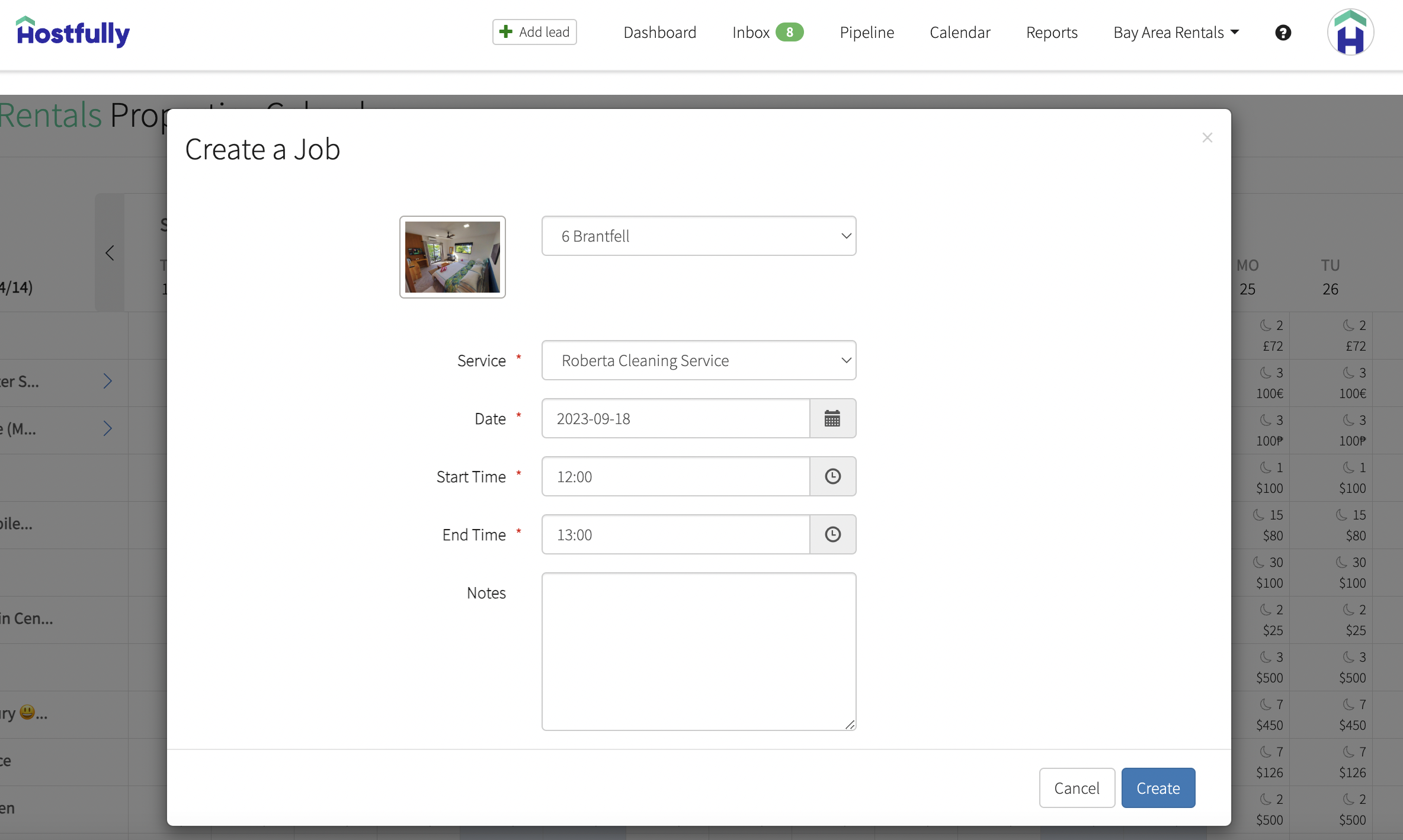
Tip: Property Management Software (PMS) like Hostfully enables you to schedule regular inspections and get reports from your team. Our task automation lets you assign jobs, create digital checklists, and receive photos of properties after cleans.
What vacation home inspections cost (and the ROI)
Official inspection costs can vary. Murray says, “A full home inspection typically averages around $450 nationally, with pricing increasing based on the size, age, and complexity of the property. Along the Gulf Coast — where elevated foundations, coastal exposure, and heavier rental use are common — inspection pricing can be higher to account for the additional components and conditions that need to be evaluated.”
He adds, “I often recommend seasonal or system-focused checkups in addition to the full inspection. These single-aspect inspections — such as HVAC performance testing, appliance function checks, or structural and deck evaluations — usually start around $150+, depending on travel distance and scope.”
These investments can spare you from much bigger repair bills. For example, a small leak might cost a hundred to patch. Left alone, it can cause several thousand dollars’ worth of structural damage in a short amount of time.
Property inspections also help you avoid business disruptions. Going back to the example above, a small leak should take no more than an afternoon to fix. More extensive damage requires much more attention and could leave your property unavailable for weeks.
Key areas covered in vacation home inspections
Vacation home inspections cover a wide range of systems and safety features. Here’s what is on most inspection checklists and the maintenance issues they uncover:
Structural integrity and foundations
Home inspectors look for cracks, settling, or other signs of movement in your property’s foundations that could indicate a hidden issue. They also note location risks such as coastal erosion and unstable slopes.
Catching minor issues here can save you the most on repairs. If left to worsen, structural damage can stretch into the tens of thousands.
Water damage, moisture, and mold infestations
Murray says, “The biggest hidden issue I see in vacation rentals is corrosion and moisture-related damage that slowly compromises the home long before it becomes obvious. Salt air, wind-driven rain, and high humidity constantly attack fasteners, exterior structures, window seals, and the building envelope.”
While damp is common and easily fixed, you need to act fast. The extra moisture can lead to rot that damages your vacation home’s structure and raises repair costs.
Moisture issues also have a serious impact on the guest experience. Mold and persistent damp can make your vacation home uncomfortable and affect the indoor air quality, resulting in negative reviews. If the problem becomes severe, it can even pose a health and safety risk for anyone staying in the property.
Electrical systems
Faulty wiring is a common issue in heavily used vacation homes. Some older properties may also have outdated systems or missing features. Kitchens, bathrooms, and outdoor areas are of particular concern as they must have special outlets to reduce the risk of electric shocks.
Repair costs depend on what’s uncovered. Minor electrical fixes may fall in the $100 to $300 range whereas larger jobs like rewiring are more likely to be in the thousands.
Fire safety systems
In vacation rentals, fire safety checks are especially important because guests are unfamiliar with the layout of the property. They’re at significantly higher risk if there’s an emergency.
Inspections check whether you have clear evacuation paths and visible safety equipment. Some may require you to provide a detailed floor plan of your property to get a clearer picture. They also usually confirm that smoke and carbon monoxide detectors are in working order and installed in the right places.
Plumbing systems
Inspections usually cover all the pipes and fixtures in your vacation home. They can tell you whether there’s any corrosion, clogs, or poor drainage that could lead to bigger issues.
Many types of plumbing problems depend on your location. For example, cold climates make properties more prone to burst pipes, whereas coastal homes are vulnerable to corrosion. The water quality is also likely to affect your plumbing because hard water tends to leave more mineral buildup in pipes and water heaters.
HVAC systems
Heating and cooling systems work harder in vacation rentals, especially during peak seasons when guests adjust temperatures frequently. That’s why inspections look at the age, capacity, and maintenance history of your system to confirm it can cope with the demands of short-term stays.
A poorly maintained heating system can significantly increase your utility bills, which often translates into hundreds of dollars in peak seasons.
Roofing and weatherproofing
Roofing issues can take your property out of commission for long periods, as you can’t very well expect guests to deal with drafts or leaks. This makes identifying potential problems during the off-season especially important.
Inspectors assess the remaining life of the roof and look for weather-related damage. For example, high winds can often loosen tiles or put pressure on old beams. They can also uncover smaller issues like clogged gutters, moss and algae growth, and overhanging tree branches.
What to do after a vacation home inspection
Once the inspection is complete, the report becomes your action plan. It identifies what needs immediate attention, what is optional, and what will protect your property long term.
- Read the report carefully: Take your time reading the entire inspection report so you can tell the difference between major concerns and normal maintenance items. If anything is confusing or too technical, reach out to the inspector and ask for clarification.
- Negotiate with the seller: If you are buying the property, use the inspection findings when requesting repairs, closing credits, or a price change. A clear list of issues gives you strong support during negotiations.
- Prioritize urgent repairs: “Address safety issues and anything that could disrupt a stay first,” says Murray, “Railings, electrical hazards, HVAC performance, plumbing leaks, and moisture concerns. Notify licensed contractors or trade professionals early and provide clear access instructions. The goal is to eliminate surprises before guests arrive.”
- Address compliance requirements: Review the findings for anything that affects short-term rental permits, safety standards, or local regulations. Taking care of compliance early prevents frustrating delays once you are ready to host guests.
- Schedule future inspections: Murray says, “Plan ahead to minimize downtime and prevent awkward service calls during a guest’s vacation. Short-term rental operators should set deadlines and reminders, block dates for contractor access when necessary, provide lockbox or smart-lock codes, and verify completion through photos or confirmation notes.”
- Tell guests how to treat your property: Murray suggests setting strong house rules: “Like keeping doors shut, reporting leaks immediately, respecting occupancy limits, and following safety instructions. This helps protect the property and everyone who uses it.”
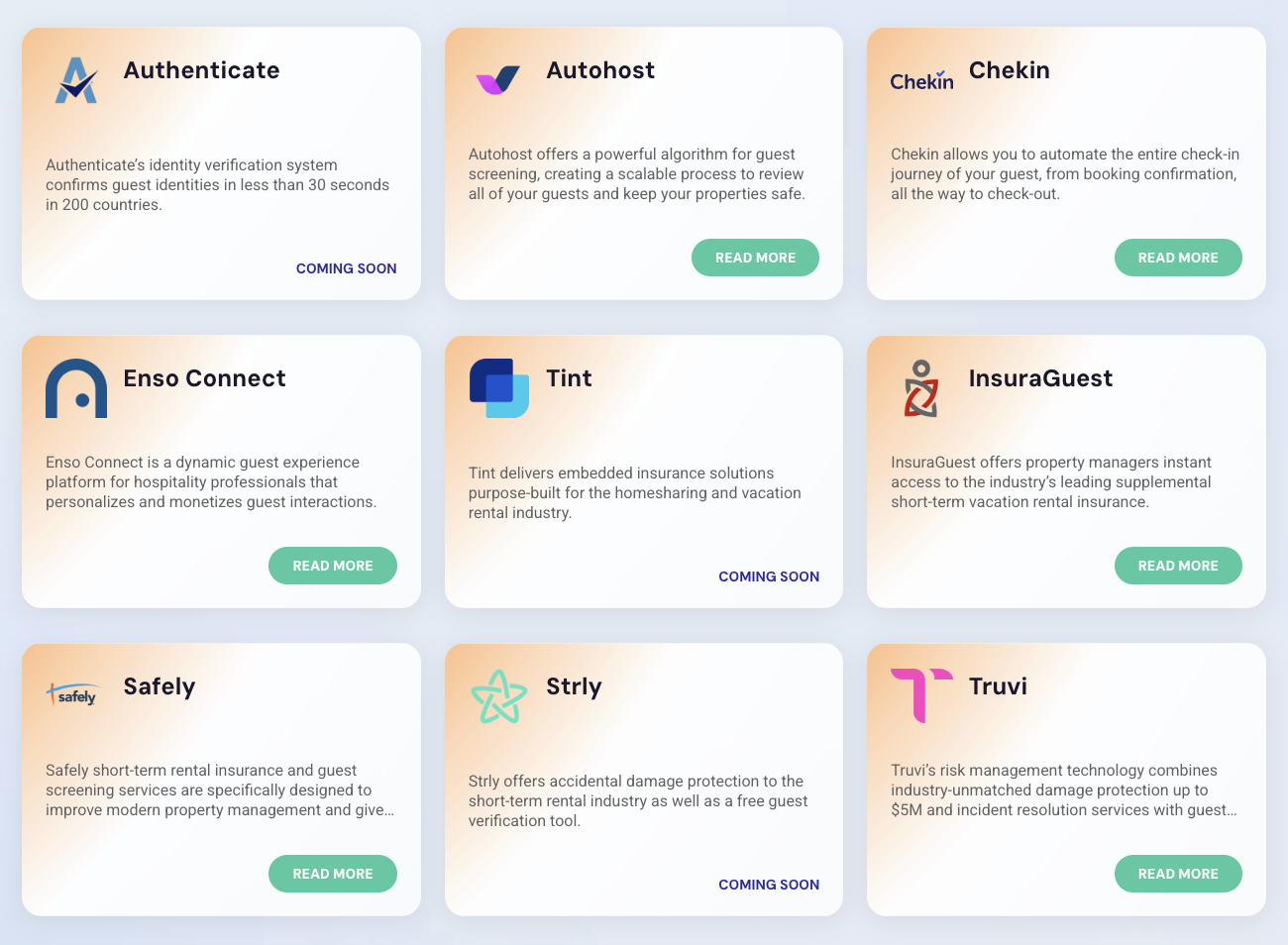
- Purchase insurance: Never rely on inspection reports and regular maintenance because damage can come out of nowhere. Always get full coverage for your properties. You can look at Hostfully integrations to find providers that specialize in vacation rental properties, making it easier to secure the right coverage.
Keep your vacation home protected all year round with Hostfully
Vacation home inspections prevent costly surprises and ensure your property is always ready for guests. Safe to say, you can’t run a successful business without them.
The next step is putting the right system in place so nothing slips through the cracks after the inspection. That’s when many hosts turn to a comprehensive PMS like Hostfully.
With our help, you can:
- Arrange coverage with short-term rental insurance providers
- Install smart devices to monitor property exteriors
- Create digital guidebooks to show guests how to stay safe
- Maintain contact through a unified inbox to learn about issues fast
- Schedule tasks and maintenance to stay ahead of costly repairs
With the right inspection plan and a PMS that supports your operations, you can maintain a safe business that delights guests throughout the year.