

Property damage is stressful enough. On top of your regular duties, you must talk to the guest, check out the issue, and coordinate with your maintenance team.
What can make things worse is not knowing whether Airbnb will actually reimburse you or if a small oversight could derail your claim.
AirCover for Hosts protects you against many risks, but it’s not a blank check. You need to understand what it covers and follow Airbnb’s processes closely to give yourself the best chance of getting paid. Simple mistakes like missing the deadline or not providing enough evidence may lead to your claim getting rejected.
So let’s explore the AirCover claims process and what hosts can do to make sure they get approved.
What is AirCover for Hosts?
AirCover for Hosts is Airbnb’s protection program for property damages and liability. It’s designed to cover financial losses caused by guests during their stay, making it a useful safety net for hosts and property managers.
What’s more, Airbnb automatically applies AirCover for Hosts to every booking from the moment you create an account. There’s no need to sign up for anything.
But it’s important to note that AirCover isn’t the same thing as vacation rental insurance. Coverage depends on the type of damage, the evidence you provide, and whether you follow Airbnb’s policies.
In other words, AirCover for Hosts can be valuable, but you need to treat the claims process seriously.
What AirCover does and doesn’t cover
Before you make an AirCover claim, it’s helpful to know which situations fall outside its scope.
| What AirCover covers | What AirCover doesn’t cover |
|
|
How to file an Airbnb claim in 6 steps
Filing an AirCover claim is generally straightforward provided you follow Airbnb’s processes and policies.
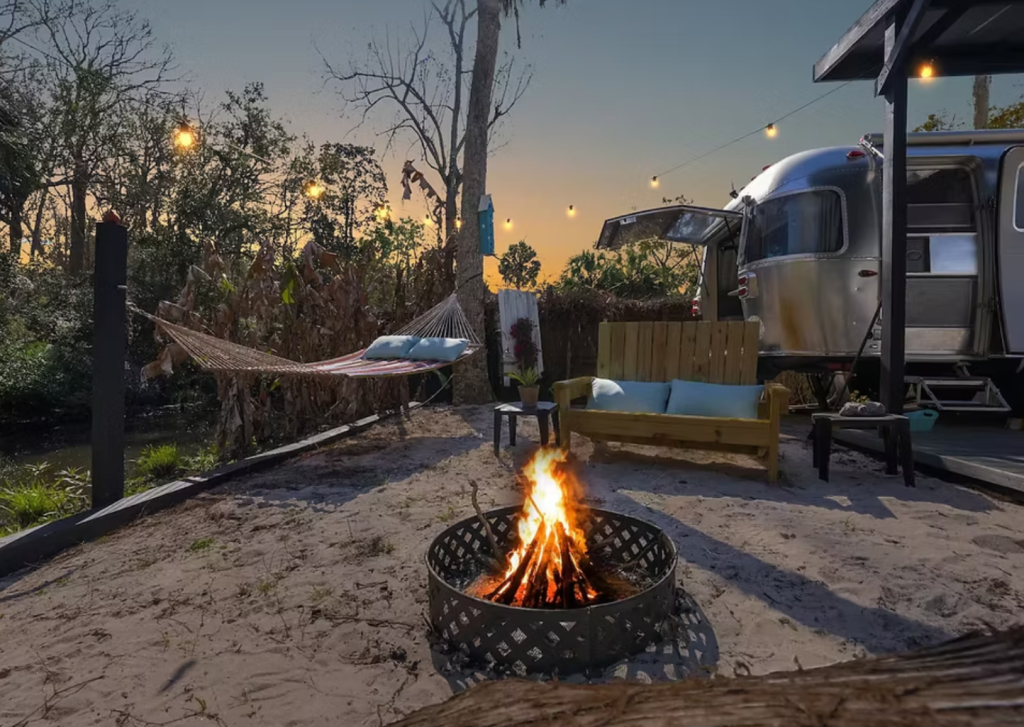
Sarah Plush of Big Love Glamping says she had a positive experience with AirCover and claimed $9,000 in damages. As she puts it. “You just need to be patient and understand they are a big company and have steps they need to follow.”
Here’s what to do:
- Assess the damage as soon as you find it: Confirm exactly what was damaged and if there are any immediate safety concerns. If the issue could significantly affect the next guests, consider whether you need to cancel the booking and relocate them.
- Document everything: Take photos and videos before you take care of the damages. You should get a copy of the receipt for any repairs and replacements.
- Work out the costs: Calculate the total loss you made due to the damages and disruption to your business. This should match up with your evidence.
- Submit a reimbursement request: Visit Airbnb’s Resolution Center and follow the steps to make a claim within 14 days of the responsible guest’s checkout date.
- Keep an eye on your messages: Claims may not move in a straight line. Check for requests for further information from Airbnb and respond quickly.
- Await the verdict: Even strong claims can take time. Try to be patient but feel free to follow up with Airbnb to get updates about reimbursement requests.
Why AirCover claims get denied (and what hosts can do about it)
AirCover claims can get denied for a number of reasons. Often, the solution isn’t arguing harder with the Airbnb support team but changing your own processes.
Here are five of the main reasons claims get rejected and what you can do to improve your odds:
The host couldn’t prove the guest caused the damage
Airbnb needs proof that a guest caused the damage. If you discover the issue too late and can’t tie it to a specific booking, they’re unlikely to approve your claim.
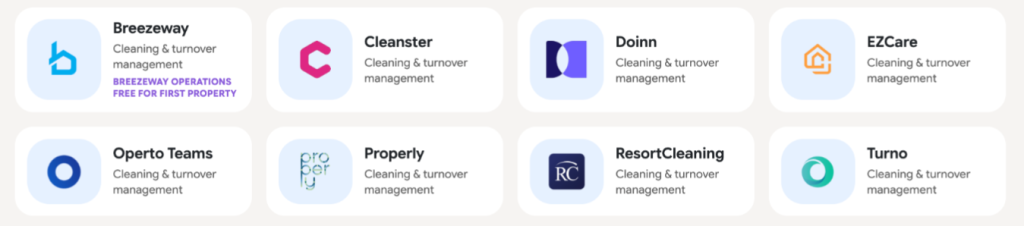
Inspect properties as soon as guests have left to avoid this issue. You can ask staff to follow checklists and send you photographs of all the rooms if you manage rentals from afar. Leading turnover solutions should enable you to manage this via an app and integrate with Property Management Software (PMS) like Hostfully.
Guests never agreed to house rules
Guests sometimes cause damages because they failed to follow house rules. For example, they might accidentally break your coffee machine after ignoring instructions and leaving the steamer function on too long.
Airbnb is less likely to approve damage claims if they relate to house rules you haven’t shared with guests. You must include them with every listing.
Misty Valdez, owner of 282 Timbuktu Cabin says she also gets guests to agree in writing. “I clearly ask guests in my first message to confirm they’ve read and agree to the house rules. I also document everything carefully and follow up consistently if an issue arises. Being thorough and organized has made a big difference.”
PMSs like Hostfully enable you to manage agreements through task automation. Simply copy your house rules from your Airbnb listing into a template document. You can trigger the software to send it when you receive a booking and collect an e-signature from the guest.
The host didn’t follow Airbnb’s rules closely enough
Even a valid claim can fall apart if you don’t follow processes. Valdez says, “I think a lot of hosts struggle with the timeline and documentation requirements. Missing deadlines, not having the right proof, or not being consistent with communication can hurt your chances. Staying organized and following up is key, and I don’t think everyone realizes how important that is.”
The main takeaway here is that you shouldn’t wait until the last minute or assume you can supply missing details later. Gather everything you need as soon as you discover the damage, double-check the requirements, and submit everything well ahead of the 14-day deadline.
The host didn’t try talking to the guest
Guests may try to dispute your claim. When there are conflicting stories about what happened with minimal proof, Airbnb is more likely to reject your request.
Sometimes, you can get around this by simply communicating with the guest. Ask how the damage happened, check they’re all right, and discuss the next steps. You may find they’re more willing to cooperate when they see you just want to solve the problem.
Plush says she’s benefited from this calmer approach: “My experience was when a guest shattered my glass stove cover in my RV. I reassured her the insurance is for accidents like this. This made the process much easier because the guest and I were on the same page.”
Not every guest will be this cooperative. However, it’s still worth trying to talk to them to see if you can agree on what happened before taking it to Airbnb’s support team.
AirCover doesn’t cover the damages
Sometimes the issue isn’t your process at all. Airbnb may deny your damage claim simply because it falls outside their protection policy.
This can be especially frustrating in borderline cases. For example, your rental may have a lot of old furniture. Guests might misuse and break something — but Airbnb could reject your damage claim because they feel the issue is largely due to normal wear and tear.
Make sure you’re completely covered by securing short-term rental insurance. These cover a broader range of scenarios. That means if Airbnb denies your damage claim, you can usually fall back on your policy.
When AirCover isn’t enough and you need insurance
AirCover isn’t an insurance policy and shouldn’t be your only protection against damages. Hosts who rely on it may find themselves exposed when claims fall outside Airbnb’s coverage.
Here are some of the reasons to get dedicated vacation rental insurance:
- Limited coverage: AirCover only applies to guest-related damages, not issues like fires and floods.
- Low limits: Hosts can claim up to $3 million, which is generous but still might not be enough for significant damages.
- Fewer guarantees: Airbnb handles every claim on a case-by-case basis, making it less predictable than classic insurance.
- No protection off-platform: Many hosts list on other platforms, such as Vrbo and Booking.com, but AirCover only applies to Airbnb stays.
- Inconsistencies: A specialized insurance policy can help create more predictable protection across properties, booking channels, and claim scenarios.
Considering short-term rental insurance? Check out Hostfully’s integrations to find specialized solutions that integrate with your PMS.
Handle AirCover claims with more confidence using Hostfully PMS
AirCover for Hosts may be a useful safety net, but getting paid often depends on what happens before you ever file the claim. Maintaining good records and staying organized puts you in a much better position to recover costs.
Hostfully PMS streamlines processes so damages are easier to document and resolve when they arise. Our platform offers:
- A unified inbox to keep guest communication organised
- Message automation for house rules and key stay information
- Digital guidebooks to share clear property instructions and reduce guest confusion
- Smart device integrations to support access management and clearer stay records
- Task management tools for inspections, cleaning, and maintenance
- Security deposit tools to add another layer of protection against damages
This leaves you with more capacity to focus on guests, protect upcoming bookings, and keep your business moving when problems come up.

FAQs about AirCover Claims
How long do I have to file an AirCover claim after guest checkout?
Airbnb gives you 14 days after the responsible guest checks out to file a claim with the Resolution Centre. The guest then has 24 hours to respond before the platform’s support team steps in to review your case.
What evidence do I need to submit for a successful AirCover claim?
The evidence you need for a successful AirCover claim depends on your case. However, photos or videos of damage, repair estimates, and messages with guests are among the most effective ways to support your case.
What happens if Airbnb denies my AirCover claim?
If Airbnb denies your claim, your first step should be to review the reason carefully and understand why. You may be able to appeal the decision. However, you may need to either absorb the loss or turn to your insurance provider if the situation falls outside AirCover.