
Short-term rentals give you more flexibility in how you use your property. You can switch from long-term tenants to nightly bookings, rent out your student house during the summer, or use short stays to fill gaps between leases.
But changing how you rent also changes how insurers view your risk. Most landlord insurance policies are built for stable, long-term tenants, not a constant stream of paying guests. If you file a claim and your insurer discovers undisclosed short-term rental activity, you could find your claim gets denied.
Read our article to understand why standard landlord insurance often falls short, where the common coverage gaps are, and what policies you need instead. By the end, you’ll know what protection makes sense for your situation and the steps you need to take to make sure you are fully covered.
What is landlord insurance?
Landlord insurance is property insurance for owners who rent to long-term tenants. Unlike homeowners insurance, it’s designed to cover the risks that come with letting your home for fixed periods of time, making it more comprehensive than a standard home policy.
Typical policies cover:
- Damage to the property
- Damage to your belongings
- Liability if a tenant or visitor gets injured
- Loss of rental income
Many insurance providers also give you the option to add coverage for specific risks, such as emergency repairs and legal expenses.
Why standard landlord insurance won’t cover your short-term rental
Standard landlord insurance is meant for predictable, long-term tenancy. When you switch to hosting, your risk profile inevitably changes:
“The biggest challenge is that landlord insurance assumes stable occupancy and predictable tenant behavior,” Fawaaz Fields from Udox Lux Stays explains, “Guests may be unfamiliar with the property or building amenities, and accidents or incidents can happen that a traditional rental policy does not cover.”
Insurers must agree to provide protection for this new set of risks. Depending on the company, they may wish to add more terms and conditions or charge you differently. If they discover that you’ve failed to disclose business activity that isn’t outlined in your original agreement, they’re likely to reject your claim.

Understanding gaps in coverage
When a landlord policy is not written for short-term rentals, the gaps are not always obvious. Here are the most common areas where problems appear:
- Business activity exclusions: Many landlord policies exclude commercial use — including hosting guests in exchange for money.
- Occupancy restrictions: Policies may require you to declare and name tenants, which is impractical when people only stay for a short while.
- Liability limits: Landlord insurance is unlikely to provide the level of coverage you need for vacation homes.
- Damage protection: As guests are more likely to damage your property and its contents than long-term tenants, policies may not treat them the same way.
- Loss of income protection: Some policies calculate lost rent based on long-term leases, not nightly bookings.
- Vacant periods: “Vacancy clauses can be an issue,” says Jordan Blake of Shoreline Public Adjusters, “If guest damage occurs during a gap between bookings, some policies treat the property as unoccupied and deny the claim outright.”
- Local compliance requirements: Cities and states often expect you to meet specific liability thresholds that landlord insurance may not meet.
Alternative types of insurance for short-term rentals
If standard landlord insurance does not cover short-term rental activity properly, you have a few alternatives. The right choice depends on how often you rent, how much income you generate, and how much risk you are willing to take.
Endorsement
An endorsement is an add-on to your existing landlord policy that allows limited short-term rental activity. Instead of replacing your policy, you adjust it. This generally costs less than switching to a dedicated policy and works well if you only host guests occasionally.
The downside is that endorsements often come with tight restrictions. Insurers may cap the number of nights, limit liability coverage, and exclude high-risk amenities like pools and hot tubs.
Platform policy
Many listing sites have insurance programs with damage protection and liability coverage. AirCover, Airbnb’s damage policy, is a well-known example.
Policies like these apply automatically to bookings made through the platform and are less comprehensive than standard policies. They’re also less predictable as the support teams tend to handle claims on a case-by-case basis.
Short-term rental insurance
Specialist vacation rental insurance is designed for tourist accommodation. These policies assume frequent guest turnover, making them a better option if you’re looking to grow your business.
While premiums may be higher than standard landlord insurance, the coverage is broader and protects you regardless of where bookings come from.
Landlord insurance vs short-term rental insurance
Landlord insurance may be enough if you’re only renting out your property occasionally. But if you’re planning to host long-term over extended periods, you probably need an extended policy soon.
Here’s a quick side-by-side comparison so you can see where the differences matter most:
| Landlord Insurance | Short-Term Rental Insurance | |
| Intended use | Long-term tenants under lease | Nightly or weekly paying guests |
| Business activity | Often restricted or excluded | Designed for rental business activity |
| Guest turnover | Low and predictable | High and frequent |
| Liability coverage | Standard residential limits | Higher commercial-style limits |
| Guest damage | May be limited | Specifically addressed |
| Loss of income | Based on lease rent | Based on short-term booking income |
| Compliance support | May not meet short-term rental license requirements | Often aligned with local short-term rental regulations |
What’s the difference in cost between landlord and short-term rental insurance?
Insurance costs vary depending on the property and location. But generally speaking, short-term rental policies have higher premiums than landlord insurance because they cover more risks.
Although you may be tempted to go for the lowest offer, prioritize getting fully covered. “Cheap policies are designed to collect premiums, not pay claims,” says Blake, “Short-term rental liability exposure alone makes proper coverage worth the cost. One guest injury claim can easily exceed everything you saved on premiums over several years.”
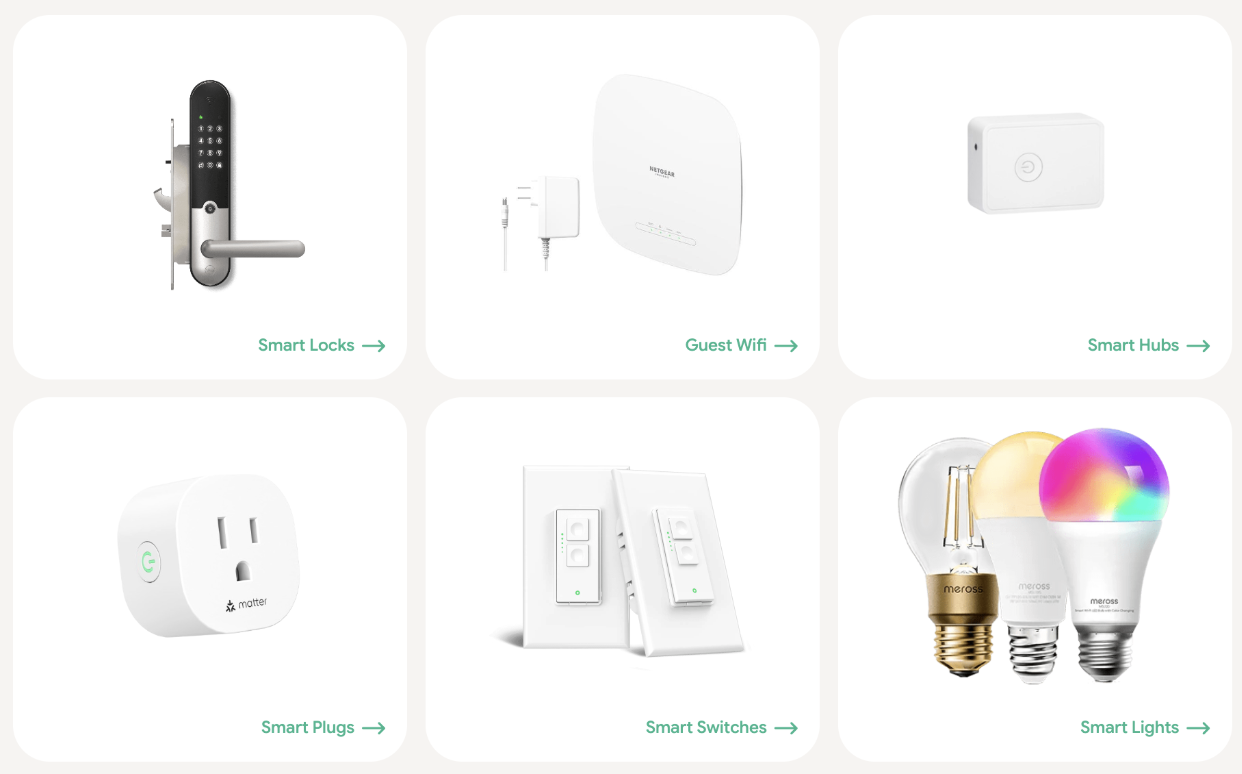
Investing in adjustments to your properties is a safer way to change your risk profile and lower your premiums. For example, you can install safety features like alarms and smart locks to monitor your guests. Insurers may also offer better pricing if you show good risk management, such as clear house rules and guest screening.
Making the switch from landlord to short-term rental insurance
If you’re thinking about changing your insurance, here are some tips on how to choose the right policy and make the transition as smooth as possible.
Review your current landlord policy
Briefly examine your existing insurance to understand what it actually covers. You should look for clauses specifically related to commercial activities and occupancy requirements to see where there may be possible gaps.
If you haven’t already, also check all the local regulations. Permit requirements, HOA rules, and zoning laws may all mean you have to get a certain kind of insurance.
Confirm short-term rental exclusions with your insurer
Contact your insurance provider and explain how you plan to use the property. You can clarify whether short-term rental activity is permitted under your current policy. This conversation often helps confirm whether your landlord insurance covers you.
Insurers may be able to offer you an endorsement. Before you accept, consider whether you want to expand your business further, as endorsements are often unsuitable for complex operations with multiple properties.
Estimate your short-term rental risk profile
Once you’ve decided to change insurance providers, evaluate the current risks to your company. Insurers will want to know details like your annual income, guest turnover, and property amenities when working out a policy. Having all this information makes this process go faster and creates the impression that you’re a responsible business owner.
Compare dedicated short-term rental insurance providers
Research insurers that specialize in short-term rentals so you know they understand your unique risks and challenges. You don’t want them to be trying to catch up while you’re in the middle of making a claim or dealing with a lawsuit.
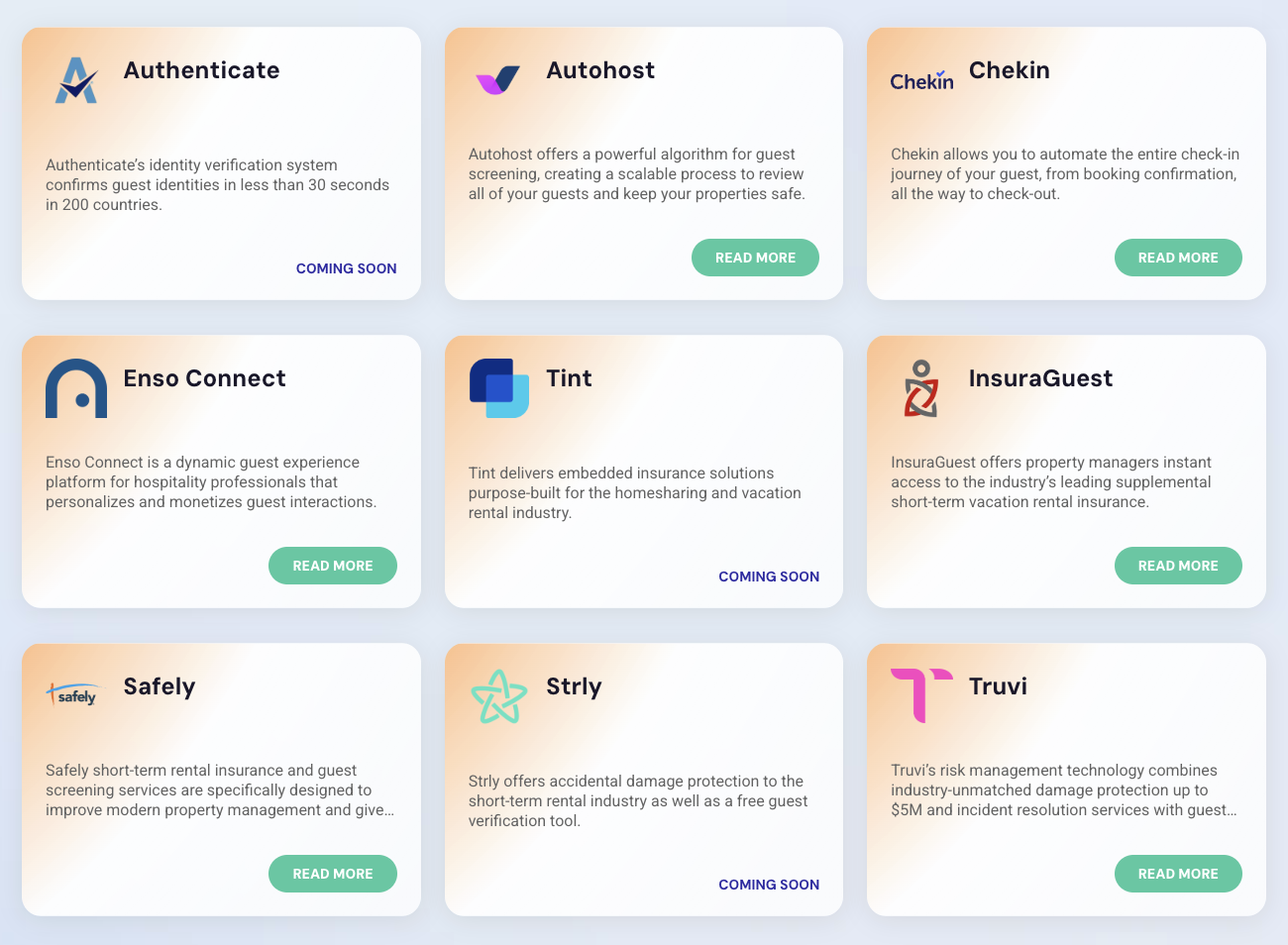
Hostfully partners with many leading providers in the short-term rental industry. Just browse our integration marketplace to find and compare trusted solutions.
Coordinate the transition between policies
Plan the changeover carefully so you don’t leave the property uninsured. You should match the start date of the new policy with the cancellation or expiration of your landlord policy and notify your insurer about the change in property use.
Make sure you have documentation ready from the moment the plan kicks in. Blake suggests, “A complete prestay photo record of every room, a detailed inventory of all furnishings and their replacement values, booking records showing occupancy and revenue history, and a copy of your policy with coverage limits clearly identified.”
Sync your short-term rental insurance with your PMS
As soon as your new insurance policy is active, connect it with your Property Management System (PMS). Platforms like Hostfully let you keep your data in one place and make it easier to monitor all your separate policies.
Hostfully also helps you support insurance claims more easily. Our unified inbox means you won’t have to dig around for messages and documents from guests. What’s more, our turnover integrations enable you to get photos of properties from teams after every stay to get quick evidence of damages.
Manage insurance and risk in one place with Hostfully
Understanding the limits of short-term landlord insurance is essential when switching from traditional leasing to holiday homes. Standard policies often leave gaps in your coverage that can go unnoticed for months, sometimes years, until you find you’re unable to make a claim.
Taking the time to align insurance with how you actually use your properties can protect your business financially.
Hostfully PMS can support you by both helping you manage insurance and reducing operational risks. Our platform enables you to:
- Integrate with specialist vacation rental insurance providers
- Automate guest screening and damage protection workflows
- Manage reservations across multiple channels to avoid double bookings
- Centralize guest, property, and operational data in one dashboard
- Keep track of communications, cleaning schedules, and other operations
- Monitor your property while respecting guest privacy with smart devices
By combining the right insurance with a PMS like Hostfully, you can protect your investment, simplify operations, and build a more scalable vacation rental business.

FAQs about short-term landlord insurance
Does landlord insurance cover Airbnb?
Usually no. Most landlord insurance policies are written for long-term tenants, not short-term guests. Some providers let you add an endorsement to cover hosting activity, but it must be disclosed and approved in writing.
What’s the difference between DP1, DP2, and DP3 policies?
Dwelling policies (DPs) are insurance policies that offer damage protection specifically against fire. DP1 offers basic coverage, DP2 gives you protection against a wider range of risks, and DP3 is the most comprehensive option. Even the most extensive DPs are designed for long-term tenants, however, and may not apply to short-term rentals.
Why was my claim denied when I had landlord insurance?
Most denials happen because you broke the terms and conditions of your landlord insurance. If your insurer sees that you were operating a short-term rental without disclosing it, for example, they may reject your claim – even if the damage is unrelated to hosting.
Do I need to tell my insurance company I’m renting short-term?
Yes, insurance companies usually require you to tell them about any short-term rental activity. Even occasional hosting should be confirmed with your insurer in writing. Failing to disclose what you’re using your properties for may lead insurers to reject claims or cancel policies.