
TL;DR
The strongest Vrbo alternatives for property managers are Airbnb, Booking.com, Google Vacation Rentals, Marriott Homes & Villas, Houfy, and Furnished Finder. Each serves a different guest segment and fee structure, so the right combination depends on your portfolio type, target markets, and growth goals. Most professional operators list on three to five platforms and use a channel manager to keep availability, rates, and guest communication in sync. A direct booking website further reduces platform dependency and increases net revenue per reservation.
Best Vrbo alternatives in 2026
If you’re looking for sites like Vrbo or wondering where property managers should list rentals beyond Vrbo, these are the strongest alternatives to Vrbo for hosts in 2026:
- Airbnb for booking volume and the broadest traveler audience
- Booking.com for international travelers, especially in Europe
- Google Vacation Rentals for free, zero-commission visibility in search results
- Marriott Homes & Villas for luxury inventory and Bonvoy loyalty-point travelers
- Houfy for commission-free direct bookings
- Furnished Finder for mid-term rentals of 30 days or longer
Most professional operators combine three to five of these vacation rental listing sites alongside Vrbo itself, using a PMS and channel manager to centralize calendars, messaging, and pricing across every platform.
Relying on Vrbo as your only listing channel means one algorithm change or fee increase can stall your bookings overnight. Every platform you’re not on is a pool of travelers you’re invisible to, and your competitors are already there. The distribution landscape has shifted rapidly since 2024: Google now surfaces vacation rentals in search results, Marriott and Hilton have entered the space, and subscription-based platforms are gaining traction as hosts push back against rising commissions. This guide breaks down the platforms that matter most for professional property managers in 2026, what each one costs, and how to build a channel mix that protects your revenue.
Why should you list on platforms beyond Vrbo?
Diversifying your distribution protects your revenue and fills the calendar gaps that a single channel leaves behind. Vrbo specializes in whole-home rentals for families and groups, which means it naturally excludes solo travelers, business guests, budget-conscious couples, and mid-term renters who search on other platforms first.
Here are the concrete reasons to expand:
- Broader reach: Each platform has its own audience. Listing across three to five channels puts your property in front of travelers you’d never reach on Vrbo alone.
- Calendar gap coverage: Vrbo may fill your weekends, but Booking.com or a direct booking site can help fill midweek and shoulder-season gaps.
- Revenue protection: If Vrbo changes its algorithm, raises fees, or suspends your account, your business doesn’t stop.
- Higher net revenue: A direct booking website eliminates commission entirely, and some platforms charge less than Vrbo’s 8% per-booking fee.
- Credibility with owners: Properties listed across multiple channels demonstrate professional distribution, which makes homeowner acquisition conversations easier.
“Airbnb and Booking.com, they’re not just discovery platforms anymore, they are decision engines,” says James Varley, CEO and founder of HostPlanet, a short-term rental education platform. “They match intent to inventory extremely well and very quickly.” For property managers, that means the platforms where you’re not listed are actively steering bookings to your competitors.
Who are Vrbo’s biggest competitors in 2026?
Vrbo’s competitive landscape includes global OTAs, niche platforms, and newer entrants from the hotel industry. Here’s a quick comparison of where each platform stands.
| Platform | Best for | Host fee | Listings | Global reach |
| Airbnb | All property types, highest volume | 15.5% | 7.7M+ | 200+ countries |
| Booking.com | International travelers, Europe | 10–25% (varies) | 28M+ total | 220+ countries |
| Google Vacation Rentals | Zero-commission visibility | Free (via PMS) | Aggregated | Global |
| Marriott Homes & Villas | Luxury, loyalty-point travelers | Commission-based | 183,000+ | 100+ countries |
| Houfy | Commission-free listings | $0 (subscription plans) | 80+ countries | Growing |
| Furnished Finder | Mid-term rentals (30+ days) | Annual listing fee | US-focused | United States |
Vrbo itself has over 2 million listings across 190 countries and reaches roughly 48 million active monthly users. As part of the Expedia Group, properties on Vrbo also gain exposure to Expedia’s broader network of 730 million monthly unique visitors. That’s the baseline your alternatives need to complement, not replace.
Anna Matos, a Key Account Manager at Rentals United, sees the diversification trend firsthand in conversations with property managers: “What they really talk to us about is how to increase the average daily rate, and they wish to have a bigger and more diverse number of channels and not concentrate their expectations in having reservations just coming from the main channels.”
What are the best Vrbo alternatives for property managers?
Each platform below fills a different role in your distribution strategy. The right mix depends on your property type, location, and the guests you’re trying to reach.
1. Airbnb

Airbnb remains the largest vacation rental platform globally, with over 7.7 million active listings. Its audience skews younger than Vrbo’s and includes solo travelers, couples, and remote workers alongside families. Unlike Vrbo, Airbnb lets you list private rooms, shared spaces, and unique stays like treehouses and yurts.
The Superhost program rewards consistent quality with higher search visibility and priority support. Airbnb’s Smart Pricing tool adjusts your rates automatically based on local demand, and the analytics dashboard provides booking trend and occupancy data.
Fee structure: Hosts pay a flat 15.5% commission per booking (16% in Brazil). Airbnb removed the split-fee option, so hosts now absorb the full service fee.
Best for: High-volume bookings across all property types. Essential for most operators as a primary or secondary channel.
Limitation: High competition in saturated urban markets, and the fee is nearly double Vrbo’s 8%.
2. Booking.com

Booking.com is the strongest platform for reaching international travelers, particularly in Europe where it holds dominant market share. With over 28 million total listings across 220+ countries, it dwarfs every other OTA by inventory. Vacation rental listings appear alongside hotels, which means your property reaches guests who might not otherwise browse a vacation rental platform.
The Genius program gives participating hosts higher search placement in exchange for offering a discount to frequent Booking.com travelers. The Smart Flex Reservations program lets guests cancel at the last minute while Booking.com helps you find a replacement or compensates you directly.
Fee structure: Commission ranges from 10% to 25% depending on property type and location. Booking.com charges no guest service fee, which can make your listing more attractive to price-sensitive travelers. You receive a monthly invoice rather than per-booking deductions.
Best for: Operators with properties in tourist-heavy markets, especially in Europe. Strong complement to Vrbo for international reach.
Limitation: Variable commission rates make revenue forecasting harder, and the instant-booking-only model removes your ability to screen guests before accepting.
3. Google Vacation Rentals
Google Vacation Rentals is the most underrated channel for property managers in 2026. When travelers search for vacation rentals on Google, your property can appear directly in search results with photos, pricing, availability, and a booking link. There’s no commission, and the visibility is enormous.
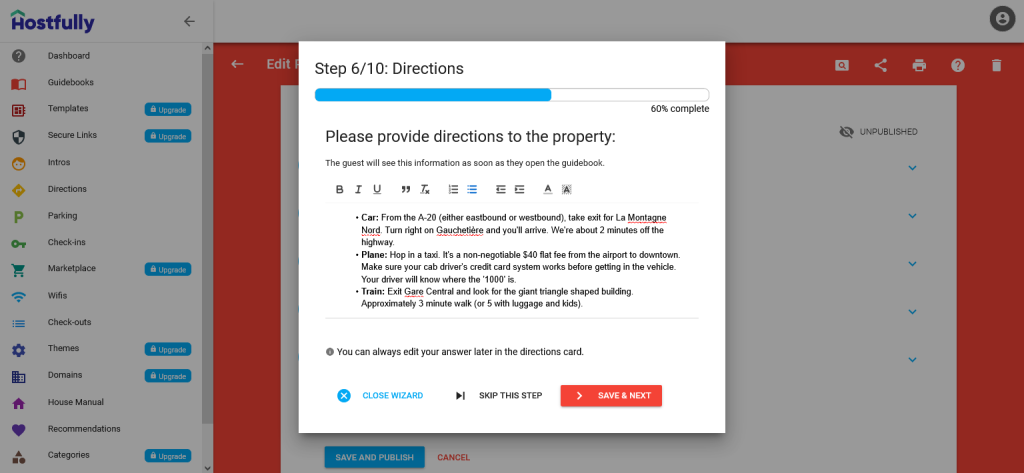
You can’t list on Google Vacation Rentals directly. Instead, your listings surface through a connected PMS or channel manager that feeds data to Google. Hostfully users can sync listings directly to Google Vacation Rentals through Hostfully’s channel manager. This makes it a zero-cost distribution channel once your software is set up, and it drives traffic either to the OTA where you’re listed or to your direct booking website.
Fee structure: Free. Google doesn’t charge hosts or property managers. You pay only whatever commission applies on the platform the guest eventually books through.
Best for: Every property manager. There’s no downside to having your listings appear in Google search results.
Limitation: Requires a PMS with a Google integration. Not a standalone listing platform.
4. Marriott Homes & Villas
Marriott’s entry into the vacation rental market gives property managers access to the Marriott Bonvoy loyalty program and its 200+ million members. Guests earn and redeem Bonvoy points on vacation rental stays, which creates a built-in incentive for loyal Marriott travelers to book your property.
“Our demand greatly outweighs our supply at this stage in our business,” says Travis Riner, Head of Business Development and Account Management at Homes & Villas by Marriott International. In a Hostfully webinar, Riner shared that about a quarter of Marriott Bonvoy members were leaving to book vacation rentals on other platforms at least once every 12 months, which is what drove Marriott to launch the channel in the first place.
Every listed property must meet Marriott’s quality standards for cleanliness, amenities, and safety. You’ll need to work with one of Marriott’s approved home management partners to get listed. The vetting process is stricter than Airbnb or Vrbo, but the trade-off is a higher-quality guest pool.
Fee structure: Commission-based, negotiated through your management partner. Rates are not publicly disclosed.
Best for: Operators with upscale or luxury properties who want to attract high-spending, brand-loyal travelers.
Limitation: You can’t list independently. Requires partnership with an approved management company.
5. Houfy
Houfy is one of the few listing platforms that charges zero commission on bookings. Guests pay you directly through Stripe or Square, with no middleman taking a cut. The platform has gained momentum in 2026 as fee fatigue pushes more hosts toward subscription-based alternatives.
Houfy’s Premium plan includes a website builder for creating your own branded booking site, plus custom widgets for WordPress, Wix, and GoDaddy. It’s a hybrid between a listing platform and a direct booking tool.
Fee structure: Free basic plan with a one-time $5.99 activation fee. Monthly subscriptions start at $7.99 for additional features. No booking commission.
Best for: Operators who want to reduce commission costs and build a direct booking presence alongside OTA listings.
Limitation: Smaller audience than major OTAs. Works best as a supplement, not a primary channel.
6. Furnished Finder
Furnished Finder targets the mid-term rental market: stays of 30 days or longer, primarily from traveling nurses, corporate relocators, and remote workers. If you have properties in markets near hospitals, corporate hubs, or universities, this platform connects you with tenants who book for months at a time.
Mid-term rentals reduce turnover, cleaning costs, and vacancy risk. One 90-day booking replaces twelve weekend turnovers. For property managers already managing furnished units, Furnished Finder is a natural addition to your channel mix.
Fee structure: Annual listing fee per property. No per-booking commission.
Best for: Operators with furnished properties in markets with steady mid-term demand (medical, corporate, academic).
Limitation: US-focused. Not suitable for short-stay vacation rentals in leisure markets.
Worth watching in 2026
Hilton launched Apartment Collection by Hilton in early 2026, offering fully furnished apartments with 24/7 on-site staff in select US cities. It’s the second major hotel brand (after Marriott) entering the vacation rental space. For property managers, this signals a broader trend: hotel loyalty ecosystems are becoming a meaningful distribution channel for professionally managed rentals.
How does a direct booking website compare to OTA listings?
A direct booking website is the one channel where you keep 100% of the booking revenue. No commission to Vrbo. No service fee to Airbnb. You control the cancellation policy, the guest communication, and the relationship from first click to checkout.
The trade-off is traffic. OTAs bring millions of visitors to your listing without you spending a dollar on advertising. A direct booking site requires you to drive your own traffic through SEO, email marketing, social media, and repeat guest relationships.
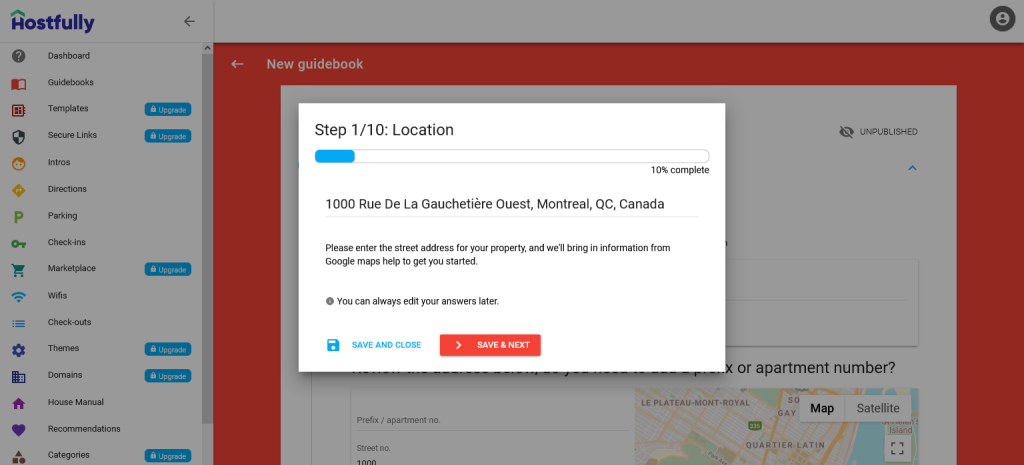
The best approach isn’t either/or. Use OTAs for discovery and volume, then convert those guests into direct bookers for future stays. A property management system with a built-in website builder makes this straightforward: your PMS syncs rates and availability across OTAs and your direct site simultaneously.
The math is compelling. If your average booking is $1,500 and you’re paying Vrbo’s 8% host fee, that’s $120 per reservation. On Airbnb at 15.5%, the same booking costs you $232.50. Shift even a quarter of your bookings to a direct site where you keep 100%, and the savings compound fast across a portfolio.
How do you choose the right mix of listing platforms?
Adding every platform to your distribution strategy isn’t the goal. Each channel you add creates operational overhead: another inbox, another set of policies, another calendar to sync. The right mix balances reach against the time and resources required to manage it.
“Not all channels are created equal,” says Sally Henry, VP of Business Development at Key Data, a short-term rental analytics firm. Key Data’s 2025 reservation data shows that each OTA drives different booking windows, average daily rates, and length-of-stay patterns. Henry recommends that managers understand how each channel performs for their specific property type and market before expanding: “You need to be proactively managing your strategy.”
Here’s how to evaluate which platforms belong in your channel mix:
- Property type: Vrbo and Airbnb cover whole-home vacation rentals. Booking.com adds hotel-style apartments and international reach. Furnished Finder serves mid-term furnished units. Match the platform to what you actually manage.
- Guest demographics: Vrbo skews toward families and older, affluent travelers. Airbnb skews younger and more diverse. Booking.com dominates in Europe. Marriott Homes & Villas attracts loyalty-point collectors. Think about who books your properties today and who you want to reach.
- Fee impact on margins: A 15.5% Airbnb fee versus Vrbo’s 8% versus Houfy’s 0% means very different net revenue per booking. Calculate your actual net revenue per channel over a 90-day window before deciding where to invest your time.
- Integration support: Any platform you add should connect to your PMS. Manual calendar management across five platforms is a recipe for double bookings. Verify that your channel manager supports the platform before you list.
- Market strength: Some platforms perform better in specific geographies. Booking.com is strongest in Europe. Vrbo performs well in US beach and mountain markets. Airbnb leads in urban and experience-driven destinations. Prioritize the channels that match your market.
Nick Halverson, Founder, Osa Property Management
Nick managed reservations across Vrbo, Airbnb, Booking.com, and direct bookings using spreadsheets. A Christmas Eve double-booking was the breaking point. After switching to Hostfully, OPM synced four booking sources into one central calendar, eliminated double bookings entirely, and grew from 15 to 63 properties. “Once everything was synced in one place, double bookings simply stopped happening,” Nick said. Read the full story.
How do you manage listings across multiple Vrbo alternatives?
The operational challenge with multi-channel distribution isn’t choosing which platforms to list on. It’s keeping everything in sync once you’re live. Rates, availability, property details, and guest messages need to stay consistent across every channel. One missed calendar update means a double booking, a refund, and a bad review.
A channel manager solves this by connecting all your listing platforms to a single dashboard. Hostfully centralizes Airbnb, Vrbo, Booking.com, and direct booking operations into one PMS dashboard. You update your rates once, and the change pushes to every connected channel simultaneously. When a booking comes in on any platform, the calendar blocks automatically across all others.
With the right property management system, you can also:
- View all reservations from every channel in a central calendar
- Automate pricing updates across OTAs and your direct booking site
- Manage all guest messages through a single unified inbox
- Build a no-code direct booking website that syncs with your OTA listings
- Track property performance by channel with reporting tools
The goal isn’t to be on every platform. It’s to be on the right platforms, with a system that keeps them all running without doubling your workload. Our complete Vrbo guide covers how the platform works within a broader multi-channel strategy, and the Airbnb vs Vrbo comparison breaks down the specific differences in fees, demographics, and booking patterns that should inform your distribution decisions.
Frequently asked questions about Vrbo alternatives
Who is Vrbo’s biggest competitor?
Airbnb is Vrbo’s largest direct competitor, with over 7.7 million active listings globally compared to Vrbo’s 2 million. Booking.com is also a major competitor, particularly in European markets where it holds dominant market share for both hotels and vacation rentals.
Can I list on Vrbo and Airbnb at the same time?
Yes. Most professional property managers list on both platforms simultaneously. You’ll need a channel manager to keep rates, availability, and calendars synchronized across both platforms and prevent double bookings.
What is the cheapest Vrbo alternative for hosts?
Houfy charges zero commission per booking, making it the least expensive listing platform. Google Vacation Rentals is also free for hosts, though it requires a connected PMS to surface your listings in Google search results.
Are there Vrbo alternatives that don’t charge commission?
Houfy and Google Vacation Rentals both operate without per-booking commission. Houfy uses a subscription model starting at $7.99 per month. A direct booking website also eliminates commission entirely, though you’ll need to drive your own traffic.
Is Booking.com better than Vrbo for hosts?
It depends on your market. Booking.com offers broader international reach and charges no guest-facing service fee, which can improve conversion. Vrbo’s 8% host fee is lower than Booking.com’s variable 10-25% commission, so Vrbo often produces higher net revenue per booking in US markets.
How many platforms should a property manager list on?
Most professional operators list on three to five platforms. A common combination is Airbnb plus Vrbo plus Booking.com plus a direct booking website. The right number depends on your portfolio size, property types, and the operational capacity of your channel manager.
Can I use a PMS to manage all my listing platforms at once?
Yes. A property management system with a built-in channel manager connects your listings across all major platforms. You update rates, availability, and property details once, and the changes sync to every connected channel automatically.
What do most professional property managers use?
Across industry data from Key Data, Rentals United, and Hostfully’s own customer base, the same pattern repeats: most professional operators anchor their strategy on Airbnb and Vrbo for domestic volume, layer in Booking.com for international reach and Google Vacation Rentals for free visibility, then build toward a direct booking website for repeat guests and commission-free revenue.
The niche additions depend on what you manage. Marriott Homes & Villas makes sense for luxury portfolios. Furnished Finder fills gaps for mid-term inventory. Houfy gives commission-averse operators a low-cost alternative. The best booking sites for vacation rentals are the ones that match your property type, your target guest, and your market, not the ones with the longest feature list.
The common thread among all of these Airbnb competitors and Vrbo alternatives: none work well in isolation. The operators who consistently fill calendars are running a coordinated multi-channel strategy through a single PMS.
Key takeaways
- Every platform you’re not on is a booking you’ll never know you lost. Three to five channels is the working standard for professional operators.
- Google Vacation Rentals and Houfy cost nothing in commission, making them the lowest-risk way to expand your distribution immediately.
- OTAs drive discovery; a direct booking website drives margin. Use both, and use OTAs to feed your direct pipeline over time.
- Channel performance varies by property type, market, and season. Review your net revenue per channel quarterly, not just your gross bookings.
- A channel manager is what makes multi-platform distribution sustainable. Without one, a second listing channel doubles your workload instead of your bookings.
Manage every channel from one dashboard
Connect your listings across Airbnb, Vrbo, Booking.com, and 100+ other platforms with synchronized calendars, unified messaging, and a built-in direct booking website. Book a free demo