
Everything seems to be running smoothly until a guest slips over or a fire breaks out. That’s when many Airbnb hosts discover their insurance doesn’t cover them, putting them several thousand dollars out of pocket.
Turning your property into an Airbnb can change your risk profile in ways that aren’t obvious at first. Standard homeowners insurance typically won’t cover short-term rental activity. You’re also likely to find that platform policies won’t offer you much financial protection against unexpected losses and liabilities.
The key is to make sure you have the right Airbnb home insurance from day one. Although this involves some research and a little upfront investment, it’s ultimately worth it for the peace of mind.
So let’s explore what Airbnb home insurance you actually need to protect your business — and how to choose a policy that fits.
Why standard homeowners insurance doesn’t cover Airbnb homes
Standard homeowners insurance doesn’t typically cover Airbnb homes because they’re designed for owner-occupied properties. Once you start accepting paying guests, your residence counts as a business.
This distinction matters because running an Airbnb home significantly changes your risk profile. When new people pass through your home every few days, accidents and injuries are more likely to happen. You can’t always be sure how guests are going to behave, either.
Long-term tenants are more stable and predictable by comparison, so they don’t require the same level of coverage. They’re familiar with the property, they’re less likely to engage in hazardous activities, and they have a vested interest in maintaining the property.
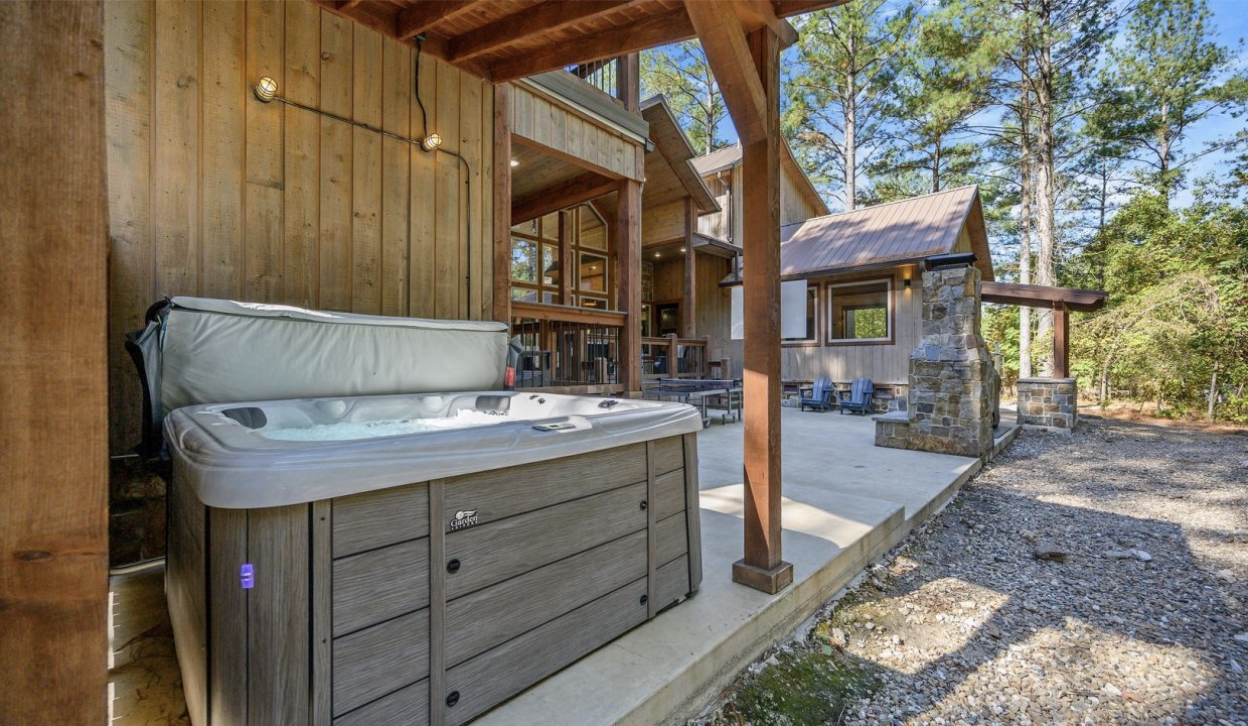
Ashley Christian at Daze Away Properties explains that property features also influence policies. “Because our cabins often feature high-risk amenities like hot tubs, outdoor fireplaces, and bunk rooms, insurers look at liability very differently than they would for a long-term rental,” they say, “They aren’t just insuring the structure; they are insuring the behavior of transient guests.”
Airbnb’s AirCover: What’s included and what’s missing
Airbnb has a free protection program called AirCover that automatically applies to every booking made through the platform. However, it’s not the same thing as an insurance policy.
Here’s what Airbnb covers and what it doesn’t:
| Includes | Missing |
| Property damage caused by guests
Host liability Airbnb booking protection |
Natural disasters
Accidental structural damage Loss of income Legal fees Off-platform bookings |
Christian says that AirCover is a great perk, but it is no substitute for third-party insurance. “AirCover has limitations and can be subject to a lengthy mediation process,” they say, “Having our own dedicated policy gives us much more control over the claims process and ensures we have professional advocates in our corner.”
The main insurance options for Airbnb hosts
When it comes to insuring an Airbnb property, hosts generally choose between two options: an endorsement or a dedicated vacation rental policy.
An endorsement is basically an add-on for your existing homeowners’ insurance. It allows you to extend your coverage to include short-term rental activity, often at a lower cost than a separate commercial policy. However, endorsements come with tighter limits, narrower definitions of covered events, and fewer protections for income loss.
Whereas a dedicated short-term rental policy is designed specifically for tourist accommodation. Although it costs more than an endorsement, it gives you comprehensive coverage for a range of scenarios.
The best option depends on your business model. People renting out their house for a few weeks in the summer while they go on vacation can usually get by with an endorsement. On the other hand, companies with large portfolios are more likely to need specialist insurance.
For example, Christian says Daze Away Properties opts for a dedicated policy. “While an endorsement can be cheaper, it often lacks the comprehensive ‘loss of income’ coverage that a dedicated policy provides. If one of our luxury cabins were to go offline due to a pipe burst, we don’t just need the repairs paid for; we need to recover the thousands of dollars in lost booking revenue during the downtime.”
What Airbnb home insurance typically covers
Whatever short-term rental insurance you decide to get, here’s what your policy should protect you against:
- Commercial liability: Legal fees and medical costs if you’re found responsible for anyone getting injured on your property.
- Property damage: Financial protection if your property and its contents get damaged in covered events such as fires, storms, or acts of vandalism.
- Loss of income: A sum of money to replace booking revenue if a covered event makes your property temporarily unusable.
- Guest-related incidents: Any property damage or loss caused by guests staying at your rental.
What are typical Airbnb home insurance costs?
Insurance costs vary widely across locations. Airbtics data shows that monthly premiums can fall anywhere between $80 and $300, depending on where you are in the world.
The way you operate your short-term rental business can also affect insurance costs. Here are some factors that are likely to raise your monthly premiums:
- Property size, type, and condition
- Guest capacity
- Occupancy rates
- Annual turnover
- Proximity to geographic features like the ocean and forests
- Risk of natural disasters
- Claims history
- Safety measures (for example, fire escapes, alarms)
For instance, Christian says, “Premiums for luxury cabins in destination markets like ours can range significantly, often landing between $2,500 to $5,000+ per year, depending on the property value. The factors that spike the premium the most in our area are fire risk (due to being in a heavily wooded area), the inclusion of hot tubs, and the total sleeping capacity.”
How to choose the right Airbnb insurance policy and provider
Choosing the right insurance policy means weighing up several different factors and seeing which one suits your business. Below are some simple steps to finding a provider:
Research local laws and requirements
Before comparing policies, check your city or state regulations. Many jurisdictions require proof of commercial insurance or set minimum liability limits for short-term rentals. Your HOA may also impose coverage thresholds.
Start by reviewing your vacation rental permit conditions and contact your local government if you’re unsure. Then confirm all the insurance providers you’re considering meet every requirement. This step ensures you’re compliant with the law and quickly helps you narrow down your list.
Look only at providers that specialize in short-term rentals
Not all insurers cater to Airbnb companies, even if they might pretend to. Focus your search on providers that explicitly write policies for short-term rentals and demonstrate they understand your business model.
As Christian explains, “We need a company that understands the loss of income component and doesn’t require us to jump through hoops to prove that a guest caused the damage. A provider that specializes in the vacation rental niche is always going to be more efficient than a generalist.”
Confirm coverage aligns with your risk profile
Take a step back and evaluate the risks to your specific business. For example, do you accommodate large groups? Are there any amenities on-site that could cause accidents or injuries?
Then match your policy to your operations. Always consider the worst-case scenario so there’s no risk you’ll be left without coverage. For instance, your liability limits should reflect your maximum guest capacity, not your average booking size. And your property coverage should account for a full rebuild, including materials and labor.
Check how insurers define policies
What seem like minor details in your policy can have major consequences for your business. When reviewing policies, make sure providers have broad definitions for terms like ‘covered peril’ and ‘guest-related incident’ to avoid significant gaps in your coverage.
Christian says the definition of damage can make the biggest difference between policies. “Some providers have very strict definitions of what constitutes a claimable event, while others are more holistic.”
They advise not to overlook certain property features. “We also looked closely at whether the policy covered amenity-related injuries,” they say, “If a guest gets injured using the hot tub or a playground set we provide, we need to know without a shadow of a doubt that our liability coverage is ironclad.”
Weigh up your budget against your needs
Christian’s number one piece of advice is: “Do not cut corners on insurance to save on your monthly overhead. It only takes one major incident to wipe out an entire year’s worth of profit or the asset itself.”
Instead of basing your decisions on what saves you the most money, consider what level of protection will let you operate your business confidently. Then never compromise. Make sure you maintain that coverage no matter the cost, or you risk far greater financial losses in the future.
Choose insurance that fits into your existing systems
Finally, think beyond coverage limits and premiums. Prioritize finding an insurance provider that integrates with Property Management Software (PMS) like Hostfully so you can keep processes streamlined.
The right software enables you to access your short-term rental insurance directly through the platform, so you don’t need to manage coverage separately from your bookings and operations. Instead of switching between multiple dashboards, your provider’s data sits alongside information about reservations, guests, and finances.
This setup also makes it easier to keep your coverage aligned with your portfolio as it grows. When you add new properties or adjust your rates, you can review and update your system more easily.
Build a more resilient Airbnb business with Hostfully
The right Airbnb home insurance guarantees the long-term viability of your short-term rental business. Standard homeowners insurance and platform coverage rarely go far enough, which means securing specialist protection is a critical first step before welcoming guests.
Although insurance is essential, it works best when it’s part of a wider operational strategy. Streamlining key operations like bookings, guest communications, and turnover makes risk easier to control.
Hostfully PMS supports that strategy with tools designed for professional short-term rental operators:
- Unified inbox to document and centralize guest communication
- Digital guidebooks to clearly communicate house rules and safety information
- Channel manager to prevent double bookings and revenue gaps
- Automated messaging to maintain written records of guest interactions
- Revenue and performance analytics to track booking history and income trends
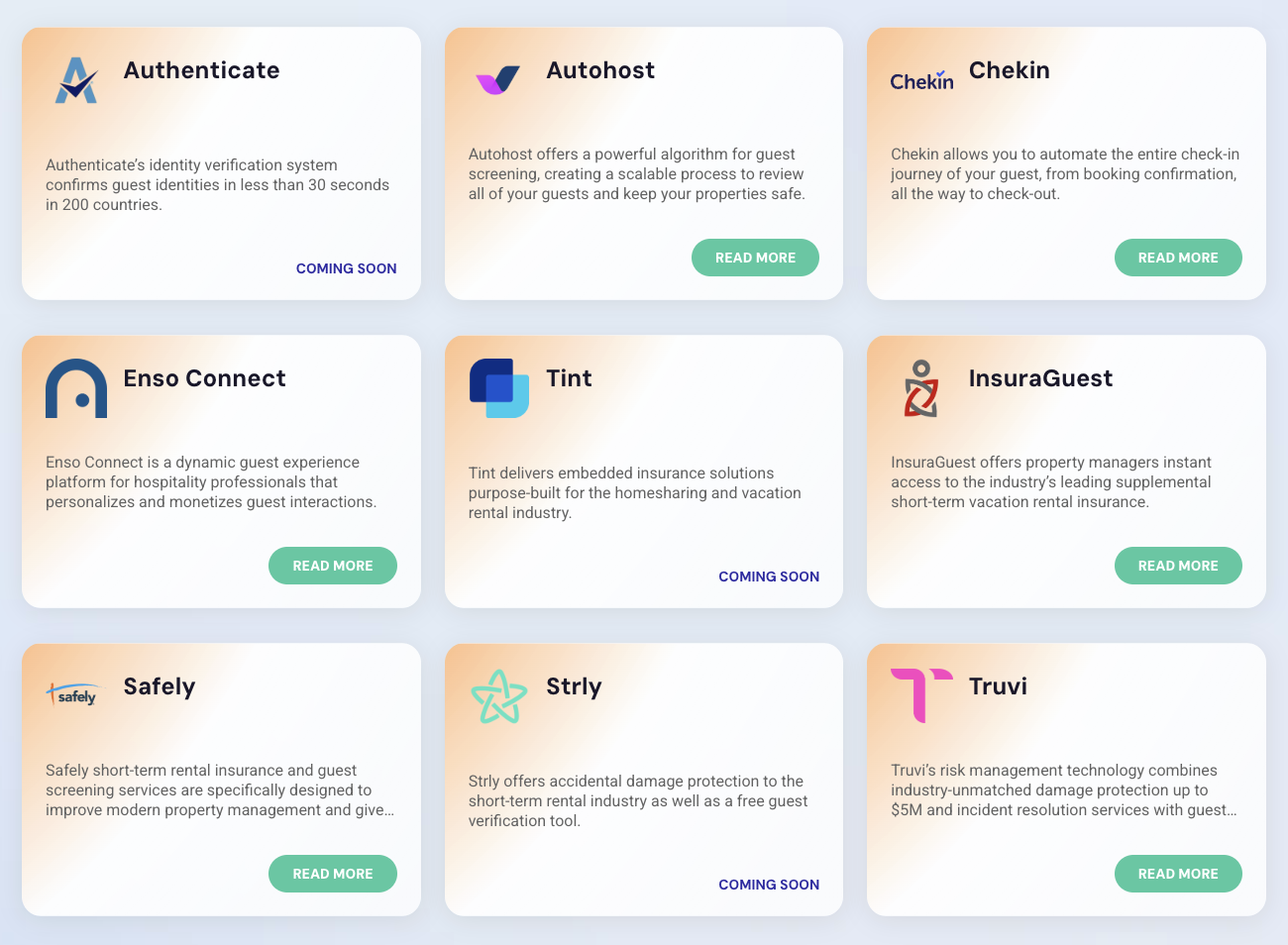
- Smart device integrations to manage access and reduce liability risks
- Task and turnover management to maintain property standards consistently
Insurance protects you when something goes wrong, but Hostfully PMS reduces the chances of those problems happening in the first place.

FAQs about Airbnb home insurance
Does my homeowners’ insurance cover my Airbnb rental?
In most cases, no. Standard homeowners’ insurance policies are meant for residential properties and exclude business activity, which includes short-term rentals. If you host on Airbnb without updating your coverage, you risk having a claim denied.
Is Airbnb’s AirCover enough protection for hosts?
Airbnb offers some protection, but can’t replace a dedicated short-term rental insurance policy. It has limits on coverage, multiple exclusions, and a mediation process that can make filing claims unpredictable.
How much does Airbnb insurance cost per year?
Airbnb insurance premiums vary across locations. You can expect to pay anywhere between $100 and $300 per month for a dedicated policy, although high-value or high-risk properties typically cost more.