

Property damage, complaints from neighbors, and fraud. There’s a lot at stake when your business doesn’t have a strong process to screen Airbnb guests.
To avoid these risks, short-term rental operators need to be able to trust whoever’s staying at the property. The challenge is how to handle guest screening without being intrusive or adding too much friction to the booking process.
Our guide gives you all the practical steps to seamlessly manage guest screening: what Airbnb does and doesn’t cover, how to manually screen, and how to use specialist tools at scale.
What is guest screening for Airbnbs?
Guest screening is the process of checking whether a booking looks like a good fit for your property before the guest arrives. The goal isn’t necessarily to catch people out. It’s to reduce the risk of serious issues for short-term rentals, such as unauthorized parties, scams, and property damage.
At its simplest, guest screening means answering a couple of practical questions: does this guest look legitimate, and do they seem likely to follow the rules? You can analyze the signs to help you decide whether to approve the booking, follow up with the guests, or add extra safeguards.
There are two general ways to handle guest screening: manually checking everyone’s information or using specialist software to automate the process.
Why screen guests?
Effective guest screening helps you lower the risk to your business without turning the booking process into an interrogation. It’s also a practical way to protect your properties as you take on more stays.
Here are the main benefits:
- Fraud prevention: Catches patterns linked to scams before they turn into financial losses.
- Less risk of parties: Identifies signs that a booking is likely to be an unauthorized gathering
- Fewer issues with neighbors: Leads to fewer noise issues and rule breaches that can cause complaints.
- Lower costs: Reduces the chance of property damage, meaning you have to pay for fewer repairs, replacements and deep cleans.
- Higher ratings: Makes sure bookings are a good fit for your business so you’re more likely to get positive reviews.
- Stronger relationships with stakeholders: Signals professionalism and helps build trust with owners and co-hosts.
How Airbnb screens guests and what it misses
Airbnb takes steps to screen guests, but it doesn’t run exhaustive checks across every booking. The screening process also differs across countries due to variations in local regulations and on-the-ground support.
The main way Airbnb screens guests is by requiring users to provide a government-issued ID when they sign up for an account. This helps you avoid some issues but leaves gaps. For example, underage Airbnb guests might use someone else’s account to make a reservation at your property.
Airbnb also screens for potential parties now that there’s a platform-wide ban. It has a built-in screening system that can detect patterns associated with risk, such as last-minute bookings and listing characteristics. Additionally, it provides a hotline you can contact if guests have a party at your property and allows you to cancel the booking without a penalty.
Generally, many hosts treat Airbnb’s screening as a baseline rather than a complete solution. Airbnb can reduce obvious risk, but you still need your own process to prevent issues and deal with them when they happen.
How to screen guests manually before you accept
Manual screening works best when you keep it consistent and lightweight. You’re looking for a booking that makes sense, a guest who understands the rules, and no signs of obvious risk.
Let’s look at some manual checks you can add to your booking process:
Check profile and guest reviews
Read the user’s previous host reviews. You should look for signs that users regularly cause issues: complaints about rule-breaking, unapproved guests, noise, damage, or reluctance to follow processes.
You may notice that many host reviews follow a generic template. Don’t let that put you off. The point isn’t to gather glowing character references but rather to confirm that guests behaved themselves in all their past stays. If nothing concerning shows up, that’s usually all you need from this step.
Verify identity and contact details
Check the guest’s name and contact details are consistent across all touchpoints. Differences between their profile and messages suggest the booking party is using a false identity or has let someone else use their account.
You can also check online, but keep your expectations realistic. Social media profiles often give a false impression of what people are like, and a lack of an online presence doesn’t mean someone is untrustworthy. Use this step as a sanity check, not as a deciding factor on its own.
Ask screening questions that reduce party risk
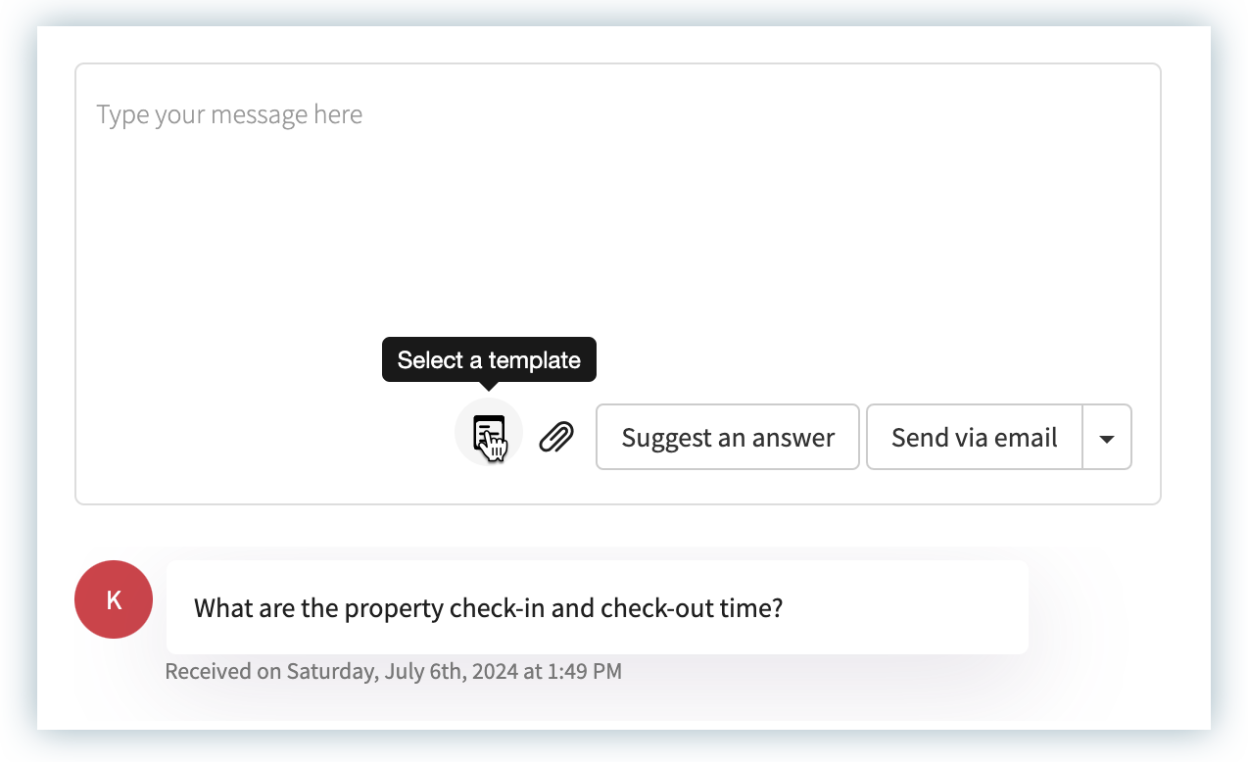
A few simple questions can help you build confidence in guests. Ask them why they’re visiting, whether they’ve stayed in vacation rentals before, and who will be joining them. Vague responses don’t always suggest bad intent, but they can be a sign to pay closer attention to a specific reservation.
Automated messaging can help here. With a Property Management System (PMS) like Hostfully, you can schedule questions for after each booking request. Teams can review the responses in our unified inbox feature.
Use deposits and agreements to deter damage
Security deposits can deter guests who plan to push boundaries. They should see it’s no longer worth their while throwing a party at your property or stealing items from the rooms. Other visitors will accept them as standard practice, especially when you explain how and why you use them clearly.
Airbnb doesn’t allow hosts to take security deposits from guests. However, you can either use their built-in AirCover program to recoup losses or use an API to manage deposits through a PMS like Hostfully.
Ask guests to sign a short-term rental contract
A short-term rental contract can set expectations and show guests that you run a serious business in a way that Airbnb listing pages often can’t.
Contracts also help when something goes wrong. You no longer have to rely on reminding guests that you mentioned a house rule in your listing. Now you have a signed document that you can refer to.
Manage short-term rental contracts with a PMS to keep the process smooth. For example, Hostfully automatically sends the document to guests and asks them to provide an electronic signature. Afterward, it keeps everything stored in the system until you’re ready to delete it.
Guest screening red flags and what to do next
Red flags tell you when to slow down and ask more questions. Here are a few common ones to watch out for and a practical next step:
- Incomplete profile: New accounts that are missing basic details like photos or names may leave you with doubts. Ask a few screening questions and potentially tighten requirements if they’re hesitant to answer.
- Local address: Plenty of people rent properties in their own town, but sometimes it’s because they want to throw a party. Check the purpose of the stay, ask for the entire booking party’s IDs, and reinforce the house rules.
- Last-minute booking: Last-minute doesn’t automatically indicate a problem, but it makes it harder to screen guests. If you struggle to monitor instant bookings on Airbnb, consider setting a minimum advanced notice and requiring approvals.
- Uncommunicative guest: Short messages are fine; vague or incomplete responses to messages about house rules suggest a possible issue with guests. Follow up once in a neutral tone with easy-to-answer questions before tightening requirements.
How automated screening works and what it can catch
Manual screening can be enough when you manage one or two properties. As you scale, it becomes hard to apply consistently across properties.
What’s more, manual screening doesn’t allow you to conduct thorough checks. It’s usually limited to what you can learn from your own research or communications with guests. Many bad guests may slip through the net, leading to issues.
Automated screening reduces the burden on your company while enabling you to get more through. Specialist tools can analyze large volumes of data, find complex patterns and flag high-risk bookings. Because screening tools run in the background, you avoid adding any friction to the guest experience.
Leading guest screening tools can detect:
- Party risk signals
- Fraud indicators
- Chargeback risk
- Identity inconsistencies
- High-risk booking patterns
- Previous stay issues
How to automate guest screening with Hostfully
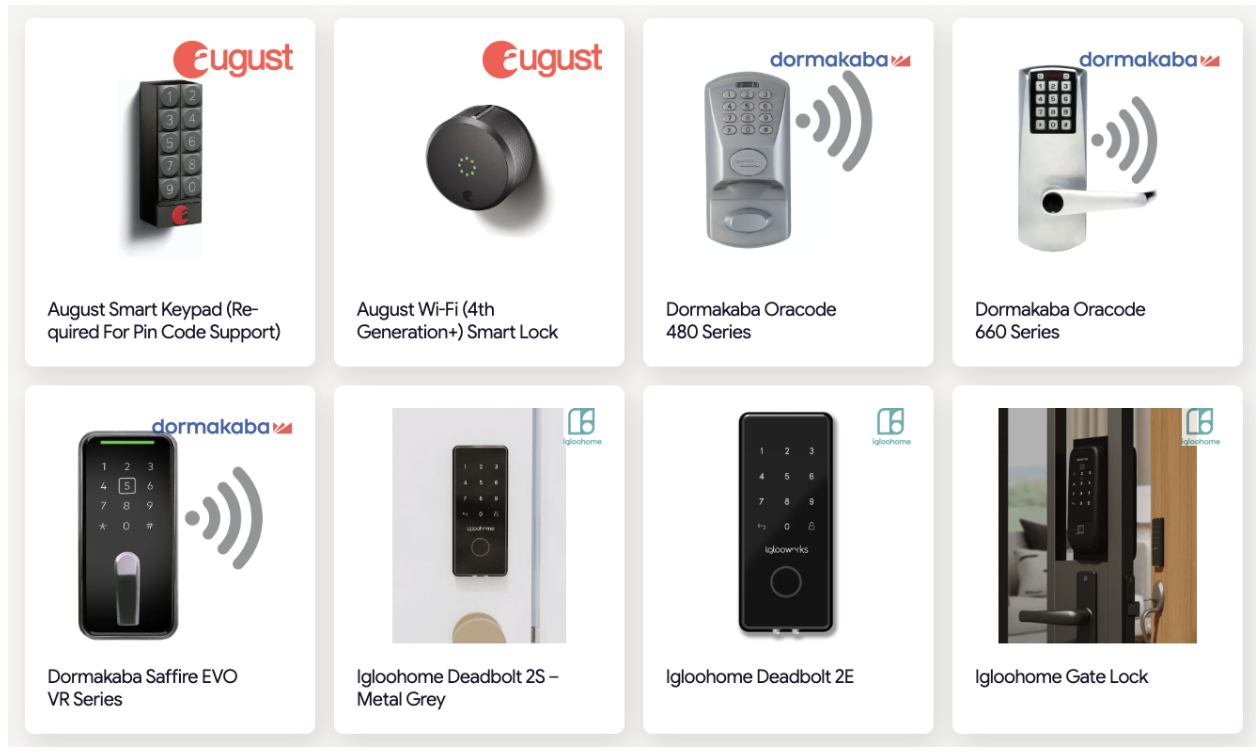
If you want screenings to stay consistent as you scale, run processes through the same system you use to manage bookings. You can connect specialist screening tools and let them run checks automatically in the background when reservations come in.
Here’s how you can usually do this with Hostfully:
- Set up your account with the guest screening tool: You might need to meet some requirements, for example, having a minimum number of properties.
- Connect your tools: Go to the integrations page in your Hostfully dashboard, find the tool’s name, and toggle ‘on’.
- Sync the accounts: Inside the tool’s dashboard, find their integrations page and log into your Hostfully account from there.
- Import properties: Choose which properties you want to run guest screenings for.
- Route messaging: Add the tool as a team member so you can send it relevant messages.
Screen guests with Hostfully and stay confident in every booking
Airbnb’s built-in checks can reduce obvious risk, but they won’t cover every scenario that causes damage, noise complaints, or payment issues. You need a strong screening process to maintain standards across bookings without creating issues for good guests.
Hostfully helps you run guest screening as a repeatable workflow across properties and channels, so your team spends less time chasing details.
- Guest screening integrations with specialist tools
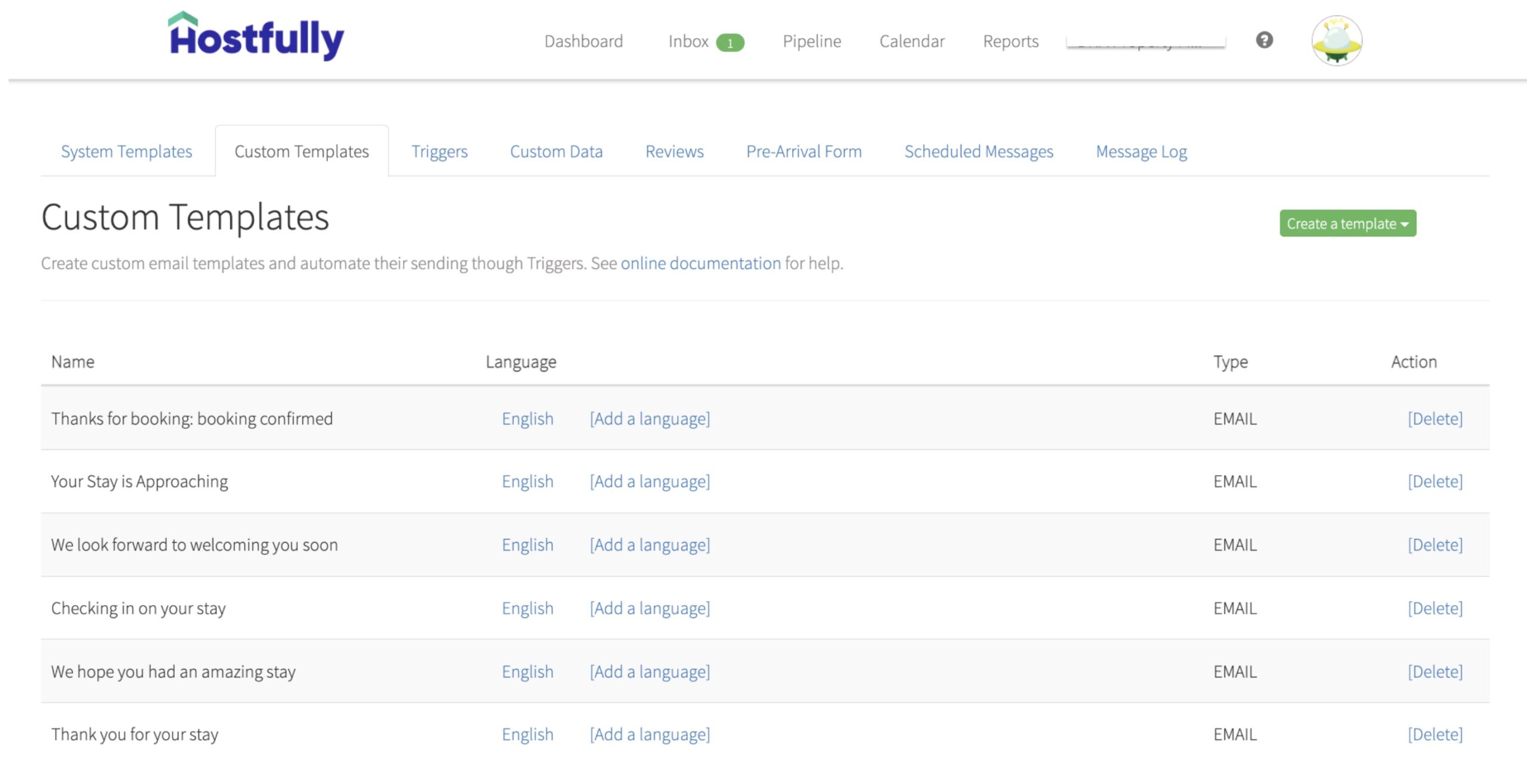
- Automated messaging with templates and triggers for screening questions
- Unified inbox to keep screening conversations in one place
- Security deposit support across channels
- Channel management to keep calendars and booking details in sync
- Digital guidebooks to reinforce house rules and expectations before arrival
With the right systems in place, screening stops feeling like a constant worry and starts feeling like a calm, reliable part of your operations.

FAQs about Airbnb guest screening
Are Airbnb guests screened?
Airbnb uses identity verification and other trust and safety checks, and it may run background checks on some users in certain regions when it has enough information to do so. However, the platform has limits, so many hosts implement their own screening processes.
What questions does Airbnb ask guests?
Airbnb collects basic contact details and may ask for legal name, address, and other personal information to verify identities. In many cases, the platform also asks users to submit a government ID such as a passport or driver’s license.
Does Airbnb guest screening stop chargebacks?
Airbnb’s screening helps reduce fraud risk, but it can’t stop chargebacks. As people arrange these with their banks, the platform is powerless to intervene. However, hosts can make a dispute through Airbnb’s Resolution Center and use AirCover to claim back any losses.